Afro Hair Transplant Turkey
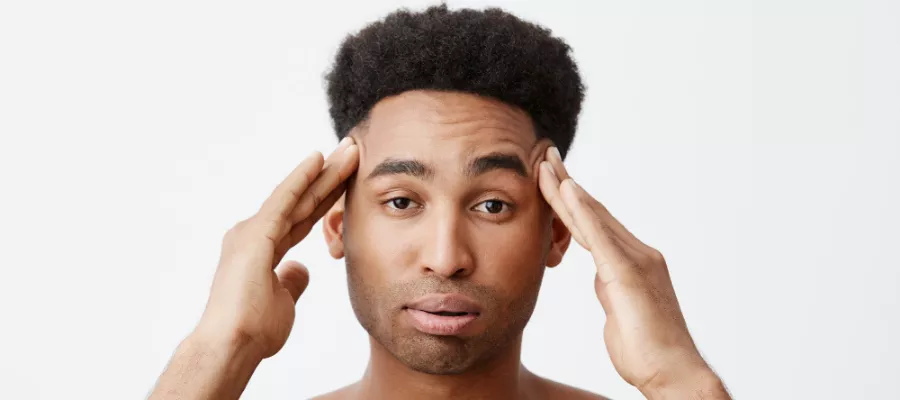
Afro hair transplantation, developed for individuals with curly and spiral-shaped hair, is a specialized procedure requiring different techniques than classic hair transplantation applications. This method aims to achieve natural, aesthetic, and permanent results in individuals with dense, curly hair. The fact that hair follicles grow in a curved manner not only on the surface but also beneath the skin necessitates a more careful and planned procedure.
Therefore, the application process should be carried out by experienced specialists in the field. Procedures performed at the wrong angle can damage hair follicles and negatively affect the success of the transplant. With the correct techniques, both a natural appearance and a high retention rate are achieved.
What is the difference between Afro Hair Transplantation and other hair transplantation methods?
The structure of the hair follicles is the most important factor that distinguishes afro hair transplantation from other methods. Because curly hair follicles grow in a curved and angled manner under the skin instead of straight, standard FUE techniques are not always sufficient. This requires more care and experience during the extraction of hair follicles.
Furthermore, the direction of hair growth and the degree of curl must be taken into account during the transplant. Otherwise, the hairs may grow at an unnatural angle. Therefore, special tips, low speed, and controlled techniques are used during the procedure. While these details extend the duration of the procedure, they also ensure more successful and natural results.
Who is a suitable candidate for Afro Hair Transplantation?
Afro hair transplant turkey is a suitable hair transplant method for individuals with naturally curly and dense hair. People experiencing hair loss, thinning hair, or those wishing to reshape their hairline can benefit from this method.
The adequacy of the donor area plays a crucial role in the success of the procedure. Additionally, the patient’s overall health should be assessed, and the most appropriate treatment plan should be developed based on a detailed analysis performed by a specialist.
Suitable candidates for Afro hair transplantation include:
- People who naturally have afro hair structure
- Individuals experiencing hair loss
- People with hair thinning
- Those who want to recreate their hairline
- People who have sufficient donor space
- Individuals whose general health condition is suitable
- Patients found suitable after expert evaluation.
How is Afro Hair Transplantation Performed?
Afro hair transplantation is generally performed using the FUE technique. Due to the structure of curly hair follicles, the procedure is performed more carefully and controllably compared to classic hair transplantation.
Hair follicles are extracted one by one using specialized equipment, and delicate techniques are employed to avoid damage. The grafts are then placed in the recipient area, taking into account the hair’s natural growth direction and curl structure. The procedure may take longer depending on the hair structure and the number of grafts to be transplanted.
The stages of Afro hair transplantation are as follows:
- Application of the FUE technique
- Hair follicles are removed one by one.
- Precise and controlled work must be carried out.
- Protecting the grafts from damage.
- Hair transplantation is performed according to the natural direction of hair growth.
How to Plan a Natural Hairline in Afro Hairstyles?
Hairline design is one of the most critical stages in achieving a natural and aesthetic look. To suit curly hair, the hairline is planned to be slightly irregular and have soft transitions, rather than straight and sharp.
The density balance is achieved by taking into account the voluminous structure of the hair. Lines that are too dense or look artificial are avoided. Instead, a personalized design is created by considering facial features, age, and hair type together. Thanks to proper planning and expert application, the results obtained after the treatment are both natural and long-lasting. Therefore, choosing the right clinic and expert throughout the process is of great importance.
What techniques are used in Afro hair transplantation?
Afro hair transplantation, performed on individuals with curly and dense hair, requires more specialized techniques compared to classic methods. The fact that hair follicles are curved both under and above the skin necessitates careful selection of the method used.
FUE and DHI techniques are generally preferred, but both methods are performed more precisely and controllably than standard procedures. The technique to be applied is determined according to the person’s hair structure, level of hair loss, and donor area.
FUE Technique in Afro Hairstyles
The FUE technique is a modern method that allows hair follicles to be extracted and transplanted one by one. This procedure must be performed more carefully in cases of curly hair because the follicles grow at an angle under the skin.
Therefore, special tools and low speed are used to prevent damage to the roots. The roots, extracted at the correct angle, are then placed in the planting area in accordance with their natural orientation.
DHI Technique in Afro Hairstyles
DHI technique is a method where hair follicles are directly implanted using an implantation pen. This technique is particularly preferred by individuals who want to increase density and achieve a fuller appearance.
Because angle control is even more important in curly hair, the DHI method must be carefully planned. When applied correctly, the natural direction of hair growth is preserved and aesthetic results are achieved.
What precautions should be taken when harvesting Afro hair follicles?
To avoid damaging hair follicles, the procedure must be performed at the correct angle and with appropriate equipment. Ignoring the curved structure of the roots increases the risk of cuts or damage.
Therefore, the experienced team performs the procedure by analyzing the direction of the roots. Protecting the donor area and ensuring homogeneous distribution are also of great importance.
What are the risks and possible side effects of Afro hair transplantation?
As with any surgical procedure, there are some risks involved. The most common include temporary redness, crusting, and mild swelling.
Rarely, problems such as infection, root loss, or irregular emergence may occur. However, with the right technique and expert application, these risks can be minimized.
How many grafts are needed for an Afro hair transplant?
The number of grafts required varies depending on the degree of hair loss and the desired density. Generally, a plan involving between 2000 and 5000 grafts is possible.
Because curly hair appears voluminous, a denser look can be achieved with fewer grafts. This is one of the significant advantages of the afro hair type.
What is the recovery process like after an Afro hair transplant?
The healing process is usually rapid, but requires careful care. Mild redness and scabbing are normal in the first few days.
Following the care instructions recommended by your doctor accelerates healing and supports the rooting of the transplanted hair follicles. Healing is usually complete within a few weeks, and hair growth begins within a few months. With regular follow-up and proper care, the results achieved provide a lasting and natural look in the long term.
When will the results of an Afro hair transplant be visible?
In individuals with curly hair, the results of afro hair transplant become apparent gradually. The transplanted hairs may fall out in the first few weeks; this process is called “shock shedding” and is completely normal.
New hair usually starts growing from the 3rd month onwards, and a noticeable density develops after the 6th month. Final results are generally seen within 12 months. Thanks to the curly nature of the hair, a voluminous look may be noticeable sooner.
Afro Hair Transplant Turkey Prices 2026
Afro Hair Transplant Turkey prices in 2026 range from €2,500 to €3,250 on average. Afro hair transplantation requires careful planning because curly follicles can follow a curved path beneath the scalp. Experienced surgeons adapt the extraction and implantation process to protect grafts and maintain natural curl patterns.
Pricing may vary according to hair loss severity, donor strength, graft requirements, and the selected technique. Clinics in Turkey may offer FUE or DHI methods for suitable Afro hair transplant candidates. Treatment packages can also include consultation, accommodation, transfers, medication, and aftercare. A detailed assessment helps determine the final Afro hair transplant cost in Turkey.
Frequently Asked Questions
Is Afro hair transplantation a difficult procedure?
Due to the curved structure of the hair follicles, afro hair transplantation is technically more challenging than other hair transplantation methods. The angled progression of the follicles under the skin requires extra care during the extraction and placement stages.
Therefore, it is crucial that this is done by an experienced team. When the right techniques are used, it is possible to achieve successful and natural results.
In Afro hair transplantation, is FUE or DHI preferred?
Both techniques can be used, but the choice depends on the individual’s hair structure and needs. The FUE technique is more frequently preferred for transplanting large areas, while the DHI technique may offer advantages in areas where increased density is desired.
Since angle control is important in curly hair, the method to be applied should be determined by expert evaluation. Choosing the right technique directly affects the naturalness of the result.
Is Afro hair transplant painful?
Since local anesthesia is usually administered during the procedure, pain is not felt during afro hair transplant. However, there may be a slight sensitivity or discomfort after the effect of the anesthesia wears off.
This condition is usually short-lived and can be easily controlled with medication prescribed by a doctor. With proper care and monitoring, patient comfort is maintained, and the process is completed smoothly.
Will transplanted hair retain its curly structure?
Hair follicles taken from the donor area retain their genetic characteristics, thus maintaining their curly structure even after transplantation. Therefore, the hair that grows after an afro hair transplant continues to be curly and voluminous, in a way that matches the person’s natural hair type.
The degree of curl in the hair depends on the hair structure in the donor area. With the right technique, both the direction and curl structure are preserved, resulting in a very natural look.
Are the results of an Afro hair transplant permanent?
With proper planning and successful execution, the results of Afro hair transplantation are permanent. Since the transplanted hair follicles are taken from areas resistant to hair loss, they remain in their new locations for many years.
However, hair loss may continue in the person’s existing hair. Therefore, it is important to follow doctor’s recommendations and apply supportive treatments when necessary to maintain long-term results.
Is Afro hair transplantation possible for women?
Afro hair transplantation can also be safely performed on women. Women experiencing receding hairline, thinning, or localized hair loss can particularly benefit from this procedure.
The treatment plan for women may differ from that for men. A personalized plan is created, taking into account details such as whether the hair can be completely removed and whether existing hair can be preserved.
When can one return to daily life after an Afro hair transplant?
It is usually possible to return to daily life within a few days after the procedure. Rest is recommended for the first 2-3 days after an Afro hair transplant, after which the person can resume light activities.
However, strenuous exercise, excessive sweating, and sun exposure should be avoided for a while. The scabbing process is usually complete within 7-10 days, and the person can return to their social life more easily. Following the doctor’s recommendations is crucial for a healthy healing process and successful root engraftment.
Instagram : bosphoriahair