What Is Sapphire Hair Transplant?
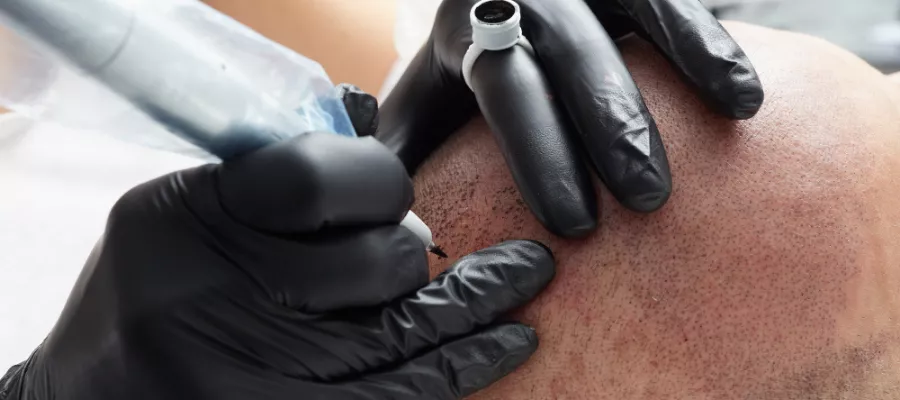
Sapphire hair transplant, an improved version of the classic FUE technique, is a modern hair transplant method that uses sapphire tips during the channel creation phase. Thanks to these special tips, smaller and more precise channels are created, resulting in a denser and more natural appearance.
The smooth structure of sapphire tips causes less damage to the tissue and contributes to a more comfortable healing process. For this reason, it is among the techniques frequently preferred in recent years.
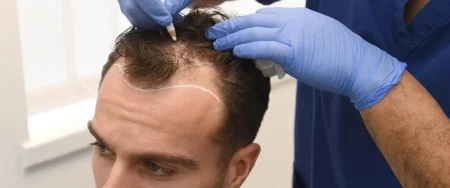
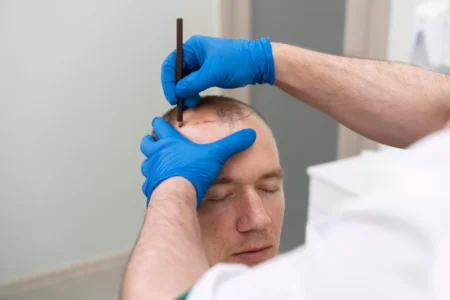
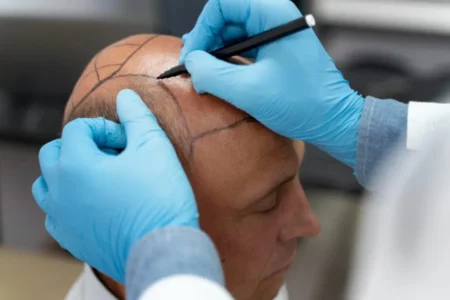
The first stage involves a detailed examination and planning. The hairline is determined, and the required number of grafts is calculated. Then, hair follicles are harvested from the donor area.
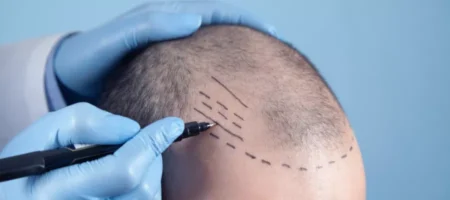
In the second stage, micro-channels are opened in the recipient area using sapphire tips. Finally, the harvested roots are placed into these channels, taking into account the natural angle and direction. The entire process is performed under local anesthesia.
Who Is Sapphire Hair Transplant Suitable For?
Individuals experiencing hair loss and with sufficient donor areas are suitable candidates for this method. Sapphire hair transplant is particularly preferred for those who desire a denser and fuller appearance.
It is also a suitable option for individuals who want a faster healing process and expect a natural-looking aesthetic result.
What Are the Advantages of Sapphire Hair Transplant?
One of the most important advantages of this method is that it allows for denser hair transplant. Thanks to the small size of the channels created, hair follicles can be placed more densely.
Furthermore, the healing process is faster because less damage is done to the tissue. Less scabbing and a more natural appearance are among other important advantages.
What Are the Differences Between Sapphire FUE, Classic FUE, and DHI?
The differences between the techniques become apparent during the application phase. In the sapphire hair transplant method, the channel opening process is done with sapphire tips, while steel tips are used in classic FUE.
In the DHI method, channel opening and implantation are performed simultaneously. While Sapphire FUE offers the advantage of higher density, DHI provides more controlled placement.
The choice of method should depend on the individual’s hair type, degree of hair loss, and expectations. With proper planning, it is possible to achieve successful and natural results with all techniques.
What Should Be Considered Before Sapphire Hair Transplant?
Proper preparation before the procedure directly affects its success. Before sapphire hair transplant, it is recommended to discontinue blood-thinning medications and limit alcohol and smoking.
It is also important to keep the scalp clean, avoid chemical products, and follow the doctor’s instructions. These preparations ensure that the hair follicles are harvested in a healthier condition and that the transplant process proceeds smoothly.
What Happens During the Recovery Process After Sapphire Hair Transplant?
Mild redness, crusting, and tenderness may occur in the first few days after the procedure. This is normal and usually subsides quickly.
In sapphire hair transplant, scabs fall off in approximately 7-10 days, and healing is largely complete. During this process, protecting the area, avoiding sun exposure, and following your doctor’s recommendations are very important.
When Do the Results of Sapphire Hair Transplant Become Noticeable?
Hair loss may occur in the transplanted hairs during the first few weeks, and this is considered normal. New hairs will begin to grow within 2-3 months after a sapphire hair transplant.
Hair becomes noticeably denser starting from the 6th month, and the final results usually become fully apparent within 10-12 months. Patience and consistent monitoring of the process are important at this stage.
Is Sapphire Hair Transplant Permanent?
Hair follicles taken from the donor area are genetically resistant to hair loss. Therefore, the results obtained with sapphire hair transplant are permanent.
However, hair loss may continue in existing hair. Supportive treatments can be recommended to control this and maintain the overall appearance in the long term.
What Are the Risks and Side Effects of Sapphire Hair Transplant?
As with any surgical procedure, some side effects may occur. The most common include mild swelling, redness, and crusting.
In rare cases, problems such as infection, root loss, or irregular hair growth may occur. However, these risks are quite low in sapphire hair transplant procedures performed by an experienced team.
With proper planning and care, it is possible to achieve both aesthetically pleasing and long-term successful results.
Sapphire Hair Transplant Turkey Prices 2026
Sapphire Hair Transplant Turkey prices in 2026 range from €2,500 to €3,250 on average. Sapphire hair transplant costs vary depending on graft numbers, surgeon experience, clinic quality, and individual hair loss levels. The Sapphire FUE technique uses sapphire blades to create precise channels for transplanted hair follicles.
Many clinics include consultation, surgery, medication, transfers, and aftercare within their treatment packages. Istanbul is a leading destination for Sapphire hair transplant procedures due to experienced medical teams and competitive prices. The final cost is usually confirmed after evaluating donor hair quality and the required number of grafts.
Frequently Asked Questions About Sapphire Hair Transplant
Is sapphire hair transplant a painful procedure?
Since local anesthesia is used during the procedure, the patient usually does not feel pain. In the sapphire hair transplant process, a short-term, mild discomfort may occur only during the anesthesia phase.
Mild sensitivity or stinging may occur after the procedure, but this is temporary and will subside within a few days. It is generally considered a comfortable procedure.
How long does the sapphire hair transplant procedure take?
The procedure time varies depending on the number of grafts to be transplanted and the planned density. Sapphire hair transplant is generally completed in 6 to 8 hours.
This time may be longer for larger areas or a higher number of grafts. The procedure is performed in a single session, and the patient can return to their daily life the same day.
How many grafts can be transplanted in a single session with sapphire hair transplant?
The number of grafts that can be transplanted in a single session depends on the donor area capacity of the individual. Generally, between 3000 and 5000 grafts can be transplanted.
This number of lashes is planned according to hair structure and desired density. With the right distribution, a natural and balanced look is achieved.
Can sapphire hair transplant be performed without shaving?
In some cases, unshaven techniques can be applied. Sapphire hair transplant can be performed with partial shaving, especially in limited areas and for individuals with high aesthetic concerns.
However, in procedures performed on large areas, shaving offers an advantage in terms of healthier extraction and placement of the roots. Therefore, the most suitable method should be determined with expert evaluation.
In sapphire hair transplant, how is the hairline determined?
Hairline planning is one of the most critical stages in achieving a natural look. During sapphire hair transplant, the hairline is determined taking into account the person’s facial features, forehead width, age, and existing hair structure.
The hairline is designed to be not perfectly straight, but slightly irregular and with natural transitions. The angle and direction of hair follicle emergence also play a significant role in this planning. The correct design prevents an artificial appearance after transplant and ensures an aesthetically pleasing result.
Will hair follicles taken from a donor area grow back?
Hair follicles taken from the donor area are completely removed from their location, so they will not grow back in the same spot. However, this does not cause a noticeable thinning in appearance.
In sapphire hair transplant, the hair follicles are harvested homogeneously, ensuring the donor area maintains its balanced appearance. With the correct technique, this area does not lose its natural structure.
What is the best season for sapphire hair transplant?
Sapphire hair transplant can be performed at any time of the year and is not tied to a specific season. However, protecting the transplanted area from the sun and avoiding excessive sweating after the procedure supports the healing process.
Therefore, spring and autumn months can offer a more comfortable recovery period for many people. During the summer months, it is important to avoid sun exposure and follow your doctor’s recommendations.
Here are some things to keep in mind depending on the season after a sapphire hair transplant:
- It can be applied at any time of the year.
- Sun protection in the first few days.
- Avoiding excessive sweating.
- A more comfortable recovery process during the spring months.
- Easier care options during the autumn months.
- Attention should be paid to sun protection during the summer months.
- Following doctor’s recommendations
Is a second sapphire hair transplant session needed?
In sapphire hair transplant, a single session is often sufficient with proper planning. However, a second session may be planned for some individuals to achieve a denser appearance or to correct new hair loss that occurs over time.
Before the second procedure, the capacity of the donor area and the existing hair density are evaluated in detail. If suitable conditions are met, a fuller, more natural, and aesthetically pleasing look can be achieved with the second session.
Situations in which a second sapphire hair transplant session can be scheduled include:
- A fuller hair appearance is desired.
- Treating newly formed hair loss.
- The donor area must have sufficient capacity.
- Assessment of current hair density.
- Personalized treatment planning