What is Female Hair Transplant?
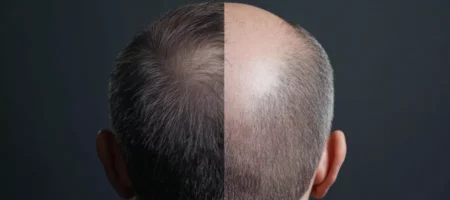
Among modern solutions developed for women experiencing hair loss, female hair transplant is an effective method offering natural and permanent results. This procedure involves transferring healthy hair follicles to areas where hair loss is most severe.
In women, the hairline is usually preserved during the procedure, and the application is performed without damaging the existing hair. When the right techniques are used, the result is both aesthetically pleasing and natural.
What causes hair loss in women?
Hair loss in women can develop due to many different reasons. The most common causes include hormonal changes, genetic predisposition, and stress.
In addition, iron deficiency, thyroid diseases, the postpartum period, and improper hair care practices can also lead to hair loss. Accurately identifying the source of the problem is crucial for determining the appropriate treatment.
Who is a suitable candidate for female hair transplant?
This method is a suitable option for women experiencing a significant decrease in hair density who have sufficient donor area. Successful results can be achieved, especially in individuals with receding hairline, localized thinning, and bald patches.
Female hair transplant can also be performed using suitable techniques for those who do not want to completely shave their heads. A personalized plan is created to achieve a natural look.
Female Hair Transplant Pre-operative Examination and Planning
A thorough pre-operative examination is one of the most important stages of the process. The cause and degree of hair loss, as well as the condition of the donor area, are analyzed. Based on this assessment, the area to be transplanted, the required number of grafts, and the technique to be used are determined. Furthermore, a personalized plan is created, taking into account the patient’s expectations.
With proper planning, implemented projects offer significant advantages in terms of both aesthetics and long-term success.
What are the methods for female hair transplant?
Thanks to the development of different techniques for hair loss in women, female hair transplant has become a flexible procedure that can be planned individually for each patient. Different methods are chosen according to hair structure, type of hair loss, and aesthetic expectations, aiming for the most natural result.
Each method has its own advantages, and choosing the right technique directly affects the success of the procedure. Therefore, conducting a detailed analysis before application is of great importance.
Sapphire hair transplant
In this method, sapphire tips are used in addition to the classic FUE technique. Thanks to the thinner and sharper tips, channels are opened more controllably. This helps in performing denser hair transplant and a faster healing process.
DHI hair transplant
In this technique, which uses special pens, hair follicles are directly placed into the recipient area. Channel opening and implantation are performed simultaneously. This preserves existing hair and results in a denser appearance.
Manual FUE hair transplant
In this method, performed entirely manually without the use of a motor, hair follicles are extracted one by one. Because it is a more controlled process, it is preferred especially in sensitive areas.
Body hair transplant
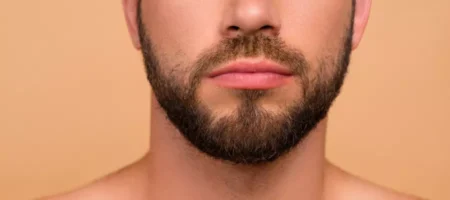
When donor areas are insufficient, hair from body parts such as the beard or chest can be used. This method offers an alternative solution, especially for people experiencing severe hair loss.
Hair transplant without shaving
Developed for women who don’t want to cut their hair, this method performs the procedure without completely shaving the hair. It offers a great advantage for those with aesthetic concerns.
Needle-free anesthesia
In this method, used to increase comfort, anesthesia is administered with pressure devices instead of needles. This minimizes the pain felt before the procedure.
When all these techniques are applied with proper planning, it is possible to achieve natural and lasting results. Therefore, choosing an expert and a personalized approach are of great importance.
How is female hair transplant performed?
The procedure begins with personalized planning and concludes with the transfer of healthy hair follicles to areas experiencing significant hair loss. Female hair transplant is generally performed while preserving existing hair, thus prioritizing a natural appearance.
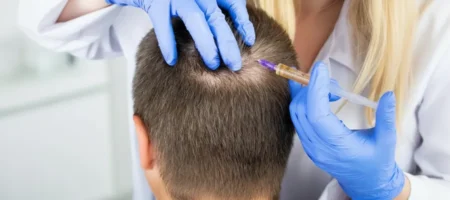
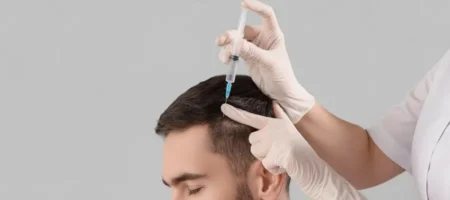
During the procedure, hair follicles are individually extracted from the donor area using special micro-techniques. These follicles are then implanted into the recipient area according to the natural direction of hair growth and density plan. The entire process is performed under local anesthesia, and patient comfort is kept at a high level.
Female Hair Transplant Recovery Process
The recovery process after a female hair transplant is generally quick and comfortable. Mild redness, tenderness, and crusting may be observed in the transplanted area during the first few days.
These symptoms are considered normal and will subside spontaneously in a short time. The crusts will fall off in about 7-10 days, and the planting area will largely recover.
Here are some things to keep in mind during the recovery process after a hair transplant for women:
- Protecting the area in the early days
- Mild redness is considered normal.
- A rapid decrease in sensitivity.
- Monitoring the crusting process.
- The scabs will fall off within 7-10 days.
- Following the doctor’s care instructions.
- Protecting the area to avoid damaging the hair follicles.
When Will the Results of Female Hair Transplant Be Seen?
The results of female hair transplant gradually become apparent over time. Shock shedding may occur in the first few weeks, and this is a normal part of the healing process.
New hair usually begins to grow from the third month onwards. Hair density becomes more noticeable after the sixth month, while the final results are generally seen within 10-12 months.
The stages of development in female hair transplant results are as follows:
- Shock hair loss may occur in the first few weeks.
- New hair starts to grow from the third month onwards.
- Increased intensity after the sixth month.
- Hair thickening over time
Factors Affecting Success in Female Hair transplant
The success rate depends on many different factors. These factors include the quality of the donor area, the technique used, the experience of the team performing the procedure, and the patient’s overall health.
Furthermore, adherence to post-treatment care directly impacts the outcome. Results obtained through proper planning and expert execution are far more successful and lasting.
Female Hair Transplant Turkey Prices 2026
Female Hair Transplant Turkey prices in 2026 range from €2,500 to €3,250 on average. Female hair transplant costs depend on hair loss patterns, donor density, treatment goals, and the selected restoration technique. Women may experience thinning around the hairline, temples, crown, or other areas requiring a personalized approach.
Surgeons carefully plan graft placement to preserve existing hair and create natural-looking density. Turkey offers several techniques, including FUE and DHI, for suitable female candidates. Treatment packages may include consultation, hotel accommodation, transfers, medication, and follow-up support. A detailed scalp assessment helps determine graft requirements and the final female hair transplant cost in Turkey.
Frequently Asked Questions
Will hair taken from a donor area grow back?
Hair follicles taken from the donor area do not grow back in the same spot because the follicles are completely removed and transferred to another area. However, this does not pose an aesthetic problem because the harvested follicles are distributed homogeneously.
This prevents visible thinning in the donor area. With proper planning, female hair transplant procedures maintain a natural appearance of the donor area and are not noticeable from the outside.
Does female hair transplant damage existing hair?
When performed with the correct techniques, the procedure does not damage existing hair. Methods specifically developed for women ensure that existing hair is preserved during the treatment.
During the transplant, the grafts are carefully placed between the hair follicles. This prevents damage to existing hair and preserves a natural appearance. This risk is minimal when the procedure is performed by an experienced team.
Will female hair transplant leave scars?
Thanks to modern techniques, no noticeable scarring remains after the procedure. Due to the micro-level root harvesting process, no visible scarring occurs in the donor area.
In the transplanted area, mild redness and crusting may be observed in the first few days. These effects subside quickly, and the skin returns to its normal appearance. With proper care, the likelihood of scarring is quite low.
Will existing hair continue to fall out after a female hair transplant?
Transplanted hair follicles are permanent, but existing hair loss may continue. This depends on the individual’s genetic makeup and hormonal factors.
Therefore, supportive treatments may be recommended after the procedure. With regular care and follow-up, both existing hair can be preserved and the overall appearance can be kept stable for longer.
Can female hair transplant be completed in a single session?
In most cases, when planning is done correctly, female hair transplant is completed in a single session. The required number of grafts and the treatment area are determined beforehand, and the procedure is completed in one go.
However, in some cases, a second session may be scheduled to achieve a more intense look. This depends entirely on the individual’s expectations and the results obtained after the first treatment. With proper planning and expert application, it is possible to achieve highly successful and natural results in a single session.
Can the forehead area be narrowed with female hair transplant?
A wide forehead can be an aesthetic concern for many women, and this can be corrected with hairline reshaping. With proper planning, female hair transplant can give the forehead a narrower and more balanced appearance.
In this procedure, the hairline is brought forward to complement the facial features, creating a natural frame. Facial proportions, forehead width, and hair density are all considered during the planning phase. With the correct angle and density, highly natural results are achieved.
Is hair transplant possible for fine or curly hair?
The procedure can be successfully performed on individuals with different hair types. Female hair transplant can be safely performed on individuals with fine or curly hair using specialized techniques.
While density planning is more carefully done for fine hair, the direction and angle of the roots are of great importance for curly hair. With appropriate techniques, natural and aesthetically pleasing results can be achieved in both hair types.
Can hair transplant completely stop female pattern hair loss?
This procedure does not completely stop existing hair loss because hair loss can continue due to genetic and hormonal factors. However, thanks to female hair transplant, the areas of hair loss are refilled, significantly improving the aesthetic appearance.
Supportive treatments may be recommended to control future hair loss. This helps protect existing hair and stabilizes the overall appearance in the long term.
Can transplanted hair be cut, grown, and styled later?
Hair that grows after transplant behaves completely like natural hair. Once the growth process is complete, it can be cut, grown out, and styled as desired.
Because these hairs are taken from a donor area, they retain their natural characteristics and easily adapt to daily hair care routines. With proper application, the results are highly advantageous both aesthetically and in terms of usability.