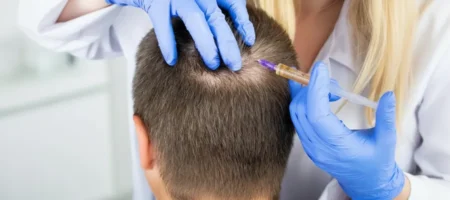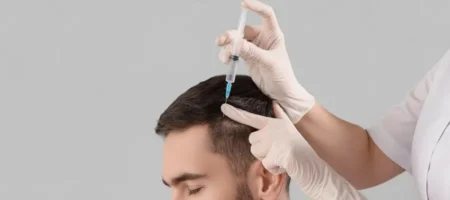
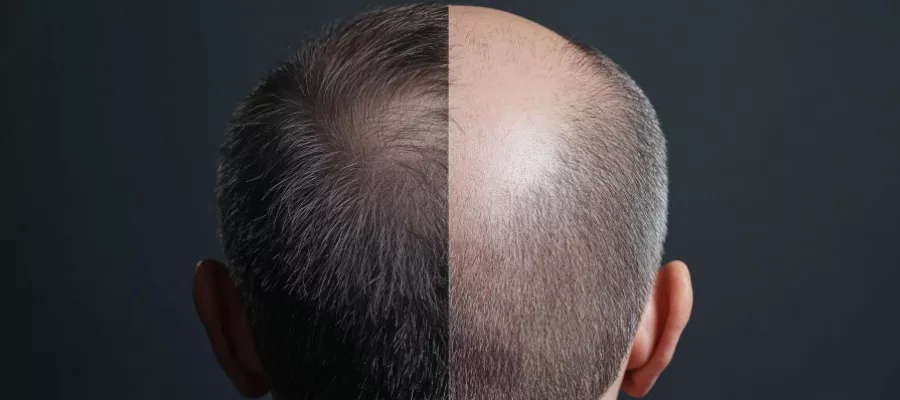
Hair transplant, offering a permanent and natural solution for individuals experiencing hair loss, is a surgical procedure that involves transferring healthy hair follicles to areas where hair loss is occurring. This procedure is usually performed by taking follicles from the nape of the neck and placing them in bald or thinning areas.
When applied with the correct techniques, very natural results are obtained, and the person regains their own hair. Thanks to today’s advanced technologies, the procedure has become both more comfortable and more successful.
Who Is a Suitable Candidate for Hair Transplant?
Individuals experiencing hair loss and having sufficient hair follicles in the donor area are suitable candidates for this procedure. Hair transplant yields successful results in individuals experiencing genetic hair loss, thinning, or localized baldness.
The procedure can be safely performed on individuals in good general health. Furthermore, the most suitable plan is created by considering the individual’s expectations.
Who Is Not a Suitable Candidate for Hair Transplant?
In some cases, this procedure may not be recommended. Sufficient density may not be achieved in individuals with insufficient donor areas.
The procedure may also be postponed for individuals with active infections, serious chronic illnesses, or uncontrolled health problems. Therefore, a detailed health assessment is necessary before the procedure.
Planning is one of the most important steps for a successful outcome. First, the cause of hair loss is analyzed and the type of hair loss is determined.
The capacity of the donor area, the size of the recipient area, and the required number of grafts are calculated. At the same time, a hairline design is created to plan a natural look that suits the facial features. This stage directly affects the success of the procedure.
The procedure is usually performed under local anesthesia, and the patient does not feel any pain during the process. Hair follicles taken from the donor area are extracted one by one using special microtechniques.
These grafts are then implanted in accordance with the hair’s natural growth direction and density plan. The procedure time varies depending on the number of grafts to be implanted and usually takes several hours.
With the right technique and expert application, the results are permanent, and the person has natural-looking hair.
What Are the Different Hair Transplant Methods?
With advancements in technology, solutions for hair loss have diversified, and hair transplant can now be planned individually using different techniques. Each method has its own advantages, and choosing the right technique directly affects the naturalness of the results.
The most suitable method is determined based on the individual’s hair structure, degree of hair loss, and expectations. This makes it possible to achieve both aesthetically pleasing and lasting results.
Sapphire Hair Transplant
In this method, sapphire tips are used in addition to the classic FUE technique. Thanks to the thinner and sharper tips, channels are opened more controllably. This contributes to denser hair transplant and a faster healing process.
DHI Hair Transplant
In this technique, performed using special pens, hair follicles are directly placed into the recipient area. Channel opening and implantation are carried out simultaneously. This preserves existing hair and results in a denser appearance.
Manual FUE Hair Transplant
In this method, which is performed without the use of a motor, hair follicles are extracted one by one entirely manually. Because it is a more controlled process, it is preferred in sensitive areas. The risk of damaging the follicles is lower.
Body Hair Transplant
In cases where donor areas are insufficient, body hair can be used as an alternative. Hair follicles taken from the beard, chest, or other areas are transferred to the bald areas. This method is particularly advantageous for individuals experiencing severe hair loss.
Unshaven Hair Transplant
This method, developed for people who don’t want to cut their hair, is performed without completely shaving the hair. It offers a significant advantage for people with aesthetic concerns and makes the return to daily life easier.
Needleless Anesthesia
In this method, used to increase comfort, anesthesia is administered with special pressure devices instead of needles. This minimizes pain felt before the procedure and makes the patient experience more comfortable.
When all these methods are carried out with proper planning and expert application, it is possible to achieve natural-looking and lasting results.
Which Hair Transplant Method Is Suitable for Whom?
Various techniques have been developed for individuals experiencing hair loss, and the hair transplant method is determined according to the person’s hair structure and needs. While the FUE technique is more frequently preferred for individuals with large areas of thinning, the DHI method is preferred for those who desire a denser and fuller appearance.
For individuals with weak donor areas, using body hair can offer an alternative solution. Furthermore, unshaven techniques can be a suitable option for individuals who prefer not to cut their hair. Choosing the right method directly impacts the success of the outcome.
What Is the Recovery Process Like After a Hair Transplant?
The recovery process after the procedure is usually rapid. Mild redness, crusting, and tenderness may occur in the first few days. This is completely normal and will subside quickly.
The scabs will fall off in about 7-10 days, and the transplanted area will largely heal. Protecting the area and following your doctor’s recommendations is crucial during this process. Proper care accelerates the healing process and ensures healthy root attachment.
When Will Transplanted Hair Grow and When Will Results Be Seen?
Hair loss may occur in the transplanted areas during the first few weeks after the procedure, and this is considered normal. New hair will begin to grow in the transplanted area after 2-3 months.
A noticeable increase in density occurs starting from a month, and the hair appears fuller. Final results usually appear within 10-12 months. Patience and regular check-ups are important during this process.
What Are the Risks and Possible Side Effects of Hair Transplant?
As with any surgical procedure, there are some risks involved. The most common side effects include mild swelling, redness, and crusting.
In rare cases, problems such as infection, root loss, or irregular hair growth may occur. However, these risks are quite low when performed by experienced specialists.
What Determines a Natural-Looking Hair Transplant Result?
Many factors must be considered together to achieve a natural look. Hairline design, the correct placement of roots, and density planning are among the most important elements.
The quality of the donor area and the experience of the team performing the procedure also directly affect the outcome. With the right technique and planning, hair transplant procedures can result in an extremely natural and aesthetically pleasing appearance.
Hair Transplant Turkey Prices 2026
Hair Transplant Turkey prices in 2026 range from €2,500 to €3,250 on average. The total price usually depends on the chosen technique, graft requirements, treatment plan, and the clinic’s service level. Popular options include FUE, DHI, and Sapphire FUE, with each method offering different advantages.
Turkey attracts international patients because many clinics combine medical treatment with accommodation, airport transfers, and post-operative support. Prices may also change according to the complexity of hair loss and donor area condition. A detailed consultation helps determine the most suitable method and provides a more accurate hair transplant cost before treatment begins.
Frequently Asked Questions
Who is a suitable candidate for hair transplant?
Hair transplant is suitable for individuals experiencing hair loss who have a sufficient number of healthy hair follicles in the donor area. Successful results can be achieved in individuals experiencing genetic hair loss, thinning, or localized baldness.
Good general health and realistic expectations increase the success rate. Suitability for hair transplant is determined after a hair and donor area analysis performed by a specialist.
The characteristics of suitable candidates for hair transplant are as follows:
- Experiencing hair loss
- Having sufficient hair follicles in the donor area.
- Genetic hair loss
- Hair thinning
- Presence of regional openings
- Good general health
- Having realistic expectations.
- It must undergo expert evaluation.
Is hair transplant permanent?
Hair transplant is a procedure that provides permanent results. Hair follicles taken from the donor area retain their genetic characteristics and are more resistant to hair loss.
However, hair loss may continue in the existing hair that was not transplanted. Supportive treatments and regular maintenance may be recommended to slow this process and maintain the achieved appearance.
Factors that affect the longevity of hair transplant results include:
- Using hair follicles resistant to hair loss.
- Quality of the donor area
- Proper implantation of hair follicles
- Controlling existing hair loss
How many grafts are needed for a hair transplant?
The number of grafts required varies depending on the degree of hair loss and the desired density. While 1500-2500 grafts may be sufficient for mild thinning, 3000-5000 grafts or more may be needed for more extensive baldness.
During the planning phase, donor area capacity and facial features are evaluated together. A natural and balanced appearance is achieved with the correct graft distribution. Therefore, personalized analysis is of great importance.
Which is better, FUE or DHI?
Which method is better depends on the individual’s needs and hair type. While the FUE technique offers advantages for covering large areas during hair transplant, the DHI method may be preferred for those who want a denser and more compact appearance.
While the FUE method generally allows for the harvesting of a larger number of grafts, the DHI technique excels in preserving existing hair and performing more controlled implantation. Therefore, the most appropriate method should be determined individually after expert evaluation.
Is hair transplant a painful procedure?
Since local anesthesia is used during the procedure, the patient usually does not feel pain. Only a slight pressure or touch sensation may occur during the hair transplant.
Mild sensitivity or stinging may occur after the procedure. This is temporary and usually subsides on its own within a few days. With the medication prescribed by your doctor, the process is completed quite comfortably.
How many days does the recovery process take after a hair transplant?
The initial healing process is usually complete within 7-10 days. During this time, crusting and mild redness may occur.
While complete healing in the hair transplant area occurs within a few weeks, returning to daily life is usually possible within a few days. Following your doctor’s recommendations during this process will speed up healing.
When will the transplanted hair start to grow?
Hair loss may occur in the transplanted areas during the first few weeks after the procedure, and this is normal. New hair usually begins to grow in the transplanted area after 2-3 months.
From the 6th month onwards, the hair noticeably thickens and takes on a fuller appearance. Final results usually become fully apparent within 10-12 months. Patience and consistent monitoring of the process are important for successful results.
Instagram : bosphoriahair