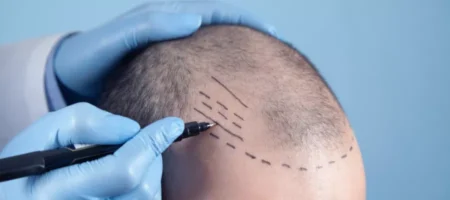
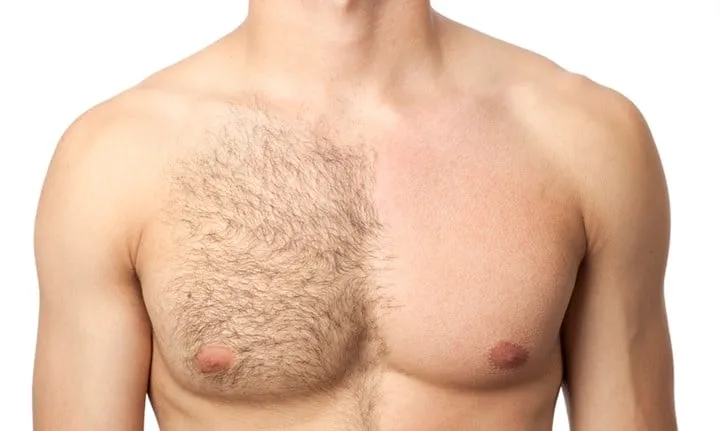
What is Body Hair Transplant?
Developed as an alternative solution in cases where donor hair follicles are insufficient, body hair transplant is a specialized hair transplant method performed by transferring hair taken from the beard, chest, or other body areas to hairless areas. This technique requires more advanced planning and experience compared to classic hair transplant.
This method, particularly preferred for increasing hair density in individuals experiencing severe hair loss, can yield results very close to a natural look when applied correctly. However, because body hair has different characteristics than hair follicles, it may not produce the same results in every patient. Therefore, a personalized analysis is of great importance.
Who Is a Suitable Candidate for Body Hair Transplant?
Body hair transplant is a suitable option for individuals who do not have enough donor hair in the nape area or who want to achieve a denser appearance. It is particularly preferred in individuals with extensive baldness and those who have not achieved satisfactory results with conventional methods.
Furthermore, the success rate is higher in individuals with strong and healthy beard or chest hair. However, not everyone may be suitable for this procedure. Hair structure, density, and growth cycle should be carefully evaluated before making a decision.
Which Body Hairs Can Be Used in Hair Transplant?
The most common donor area is the beard area because beard follicles are generally thicker and stronger. Besides this, chest hair is also commonly used.
In rarer cases, hair from the back, arms, or legs may also be considered. However, since the hair structure in these areas may not be perfectly compatible with the hair, it is generally used for supportive purposes. The most suitable donor area is determined according to the individual’s hair structure.
What Are the Differences Between Body Hair Follicles and Scalp Hair Follicles?
There are significant structural differences between body hair and hair follicles. Body hair grows for a shorter period, so it can reach a more limited length compared to hair. They can also differ in thickness, curl, and angle of emergence.
Therefore, these differences are taken into account when planning body hair transplant. Using hair in the middle and back areas, rather than the front hairline, generally yields more natural results.
How Is Body Hair Transplant Performed?
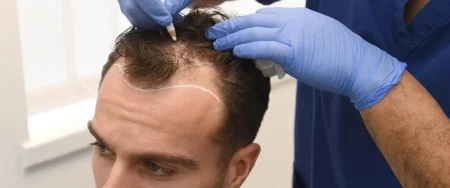
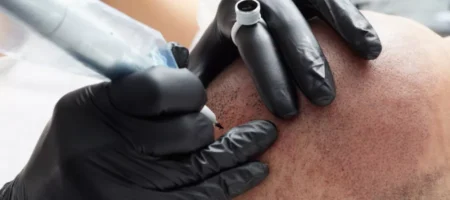
The procedure is performed similarly to the classic FUE technique but requires a more delicate approach. Hair follicles are carefully extracted one by one from the selected donor area of the body.
The harvested hair follicles are implanted into bald or thinning areas at the appropriate angle and direction. It is extremely important that the follicles are not damaged and are positioned correctly during this stage. The entire procedure is performed under local anesthesia, with patient comfort being a priority.
How Is Donor Area and Graft Planning Done in Body Hair Transplant?
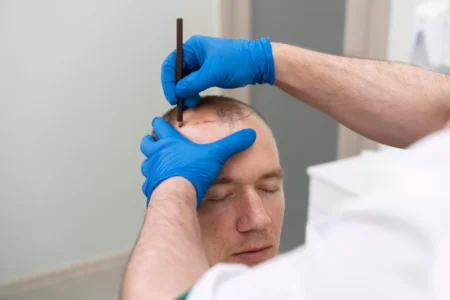
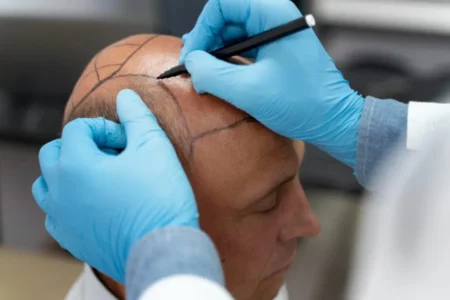
The planning phase is one of the most critical factors determining the success of the procedure. During body hair transplant, the exact number of hair follicles to be taken from each area is determined in detail.
To avoid damaging the donor area, roots are harvested evenly and homogeneously. At the same time, the needs of the recipient area, the desired density, and aesthetic expectations are taken into consideration.
With proper graft planning, a natural look is achieved while preserving the donor area. When performed by an experienced team, this method offers an effective supportive solution for increasing hair density.
What Are the Advantages of Body Hair Transplant?
Body hair transplant, offering a significant alternative in cases where donor hair is insufficient, allows for the coverage of larger areas. With this method, density that cannot be achieved with classic hair transplant can be increased using additional hair sources.
Using strong hair follicles, especially from areas like the beard, contributes to a fuller appearance of the hair. Furthermore, evaluating different donor areas helps provide personalized solutions. With proper planning, natural and aesthetically pleasing results can be achieved.
What Are the Limitations and Potential Risks of Body Hair Transplant?
Although it has advantages, it does have some limitations. Because body hair has a different structure than hair follicles, it can be difficult to achieve the same natural look in every area.
The short growth period can lead to limited hair length. Furthermore, tissue incompatibility may occur if planning is incorrect. In rare cases, there may also be risks such as root failure, infection, or irregular hair growth.
What Is the Recovery Process Like After Body Hair Transplant?
The healing process generally progresses similarly to that of a classic hair transplant. Mild redness, crusting, and tenderness may be observed in the first few days.
The scabs will fall off in approximately 7-10 days, and the transplanted area will largely heal. Short-term sensitivity may also occur in the donor area. During this process, it is very important to pay attention to hygiene and care rules.
When Are the Results of Body Hair Transplant Visible, and What Factors Affect Success?
Shock hair loss may occur in the first few weeks after the procedure, and this is considered normal. New hairs will begin to grow in the transplanted area after 2-3 months.
Significant hair density is observed from the 6th month onwards, and final results are usually seen within 10-12 months. Factors affecting success include hair structure, donor area quality, application technique, and the experience of the practitioner.
Body Hair Transplant Turkey Prices 2026
Body Hair Transplant Turkey prices in 2026 range from €2,500 to €3,250 on average. Body hair transplant Turkey costs can vary depending on graft numbers, donor areas, clinic standards, and surgeon experience. During treatment, hair may be extracted from the chest, beard, or other suitable body areas.
Many clinics include consultation, surgery, medication, transfers, and aftercare within their treatment packages. Istanbul remains one of the most popular destinations for body hair transplantation in Turkey. The final price is usually confirmed after evaluating the donor area and required graft count. Patients should also consider surgeon experience and previous results when comparing clinics.
Frequently Asked Questions About Body Hair Transplantation
Can body hair be used to create a natural hairline?
The hairline is the most noticeable area aesthetically, so the structure of the hair follicles used is of great importance. Body hair transplant is generally not preferred for creating a hairline because body hairs have different thickness and growth characteristics compared to hair follicles.
To achieve a more natural look, fine hair follicles, usually taken from the nape of the neck, are used for the hairline. Body hair is generally used for supplementary purposes in the middle and back areas.
Can body hair transplant be used to thicken sparse areas?
Body hair transplant can be performed to support areas where existing hair is present but lacks sufficient density. With proper planning, sparse areas can achieve a fuller appearance.
Placing the transplanted hairs in a way that matches the existing hair helps achieve a natural look. However, since the structure of body hair can differ from that of hair, the results may vary depending on the type of hair used.
The applications of body hair transplant include:
- Supporting areas with thinning hair.
- Increasing hair density
- To achieve a fuller appearance.
- Matching with existing hair.
- Preserving the natural appearance.
- Personalized planning
- Evaluation of results based on body hair type.
Can unsuccessful or sparse hair transplant results be corrected with body hair?
If the desired density was not achieved in a previous hair transplant, body hair transplant can be applied as a supporting method. Deficiency areas can be filled in, creating a more balanced and aesthetically pleasing appearance.
When planning the correction procedure, donor capacity, the area to be transplanted, and the characteristics of body hair should be evaluated in detail. For successful results, it is important that the procedure is planned by experienced specialists.
Here are the points to consider when using body hair for hair transplant correction:
- Filling in the missing areas
- Densification of sparsely populated areas
- Assessment of donor capacity
- Examination of the structure of body hair.
- Preserving the natural appearance.
Can body hair be transplanted over scars on the scalp?
Hair transplant can also be performed on scars in areas with suitable skin structure. Body hair transplant can offer a concealing solution, especially in scarred areas where hair follicles are absent.
However, the success rate may vary because blood circulation may be limited in these areas. Therefore, a detailed assessment is necessary before the procedure.
Can body hair grafts be transplanted in the same session as scalp grafts?
Yes, hair follicles from different donor areas can be used together in the same session. Body hair transplant is often performed in combination with hair follicles.
This combination preserves the natural look while increasing density. This method is particularly advantageous in large openings.
With proper planning, the harmonious use of different root types leads to more successful and aesthetically pleasing results.
Can body hair transplant be completed in a single session?
The duration of the procedure and the number of sessions vary depending on the amount of grafts needed and the planned density. Body hair transplant can be completed in a single session in some cases, but multiple sessions may be required for extensive baldness.
Because body hair needs to be harvested from different areas and requires more precise work, the procedure may take longer than traditional hair transplant. Therefore, a personalized plan is created for each patient.
Is it necessary to completely shave the donor area for body hair transplant?
The body area to be used as a donor area usually needs to be shaved. Trimming the hair is important for ensuring healthy and proper extraction of hair follicles during body hair transplant.
However, this shaving process is usually done in a limited area and is not very noticeable from the outside. Shaving the scalp, on the other hand, can vary depending on the plan.
Can transplanted body hair be cut, dyed, and styled?
The hairs that grow after the transplant gradually adapt to the scalp and can be incorporated into your daily grooming routine. Body hair transplanted hairs can be trimmed, styled, and dyed as they grow.
However, it is recommended to avoid chemical treatments for the first few months to allow the roots to take root healthily. After that, normal hair care can be resumed.
With proper planning and regular care, transplanted hairs will look nearly natural and provide aesthetically pleasing results.