What is Sideburn Transplant?
The sideburn area, which plays an important role in facial aesthetics, provides a natural transition between the hairline and beard. Thinning or gaps in this area can be aesthetically bothersome. In this regard, sideburn Transplant stands out as an effective method applied to restore a natural appearance.
This procedure, which involves transplanting hair follicles from the donor area to the sideburn area, is planned to suit the facial features. When performed at the correct angle and direction, very natural and long-lasting results are obtained.
Who is Favorite Hair Transplant Suitable For?
Individuals with naturally thinning hair, irregular hair growth, or hair loss that has occurred later in life are suitable candidates for this procedure. It also offers an effective solution for filling gaps caused by trauma, scarring, or burns.
The success rate is quite high in individuals with good general health and sufficient donor area. The most suitable treatment is determined by creating a personalized plan through expert evaluation.
What causes hair loss in the sideburn area?
Hair loss in this region can develop due to many different reasons. Genetic factors are among the most common causes, while hormonal changes can also contribute to hair loss.
In addition, traumas, skin diseases, and improper skincare practices can also cause thinning in the favorite area. This condition, which becomes noticeable over time, can be aesthetically bothersome.
How to Plan Your Sideburn Transplant Design?
The design phase is crucial for achieving a natural look. Sideburn Transplant is planned by evaluating facial features, hairline, and beard structure together.
The direction of existing hair growth is taken into account when determining the angle and direction. More natural transitions are created by avoiding very sharp or artificial lines. This ensures a look that is harmonious with the face.
How is a Sideburn Transplant Performed and Which Methods are Used?
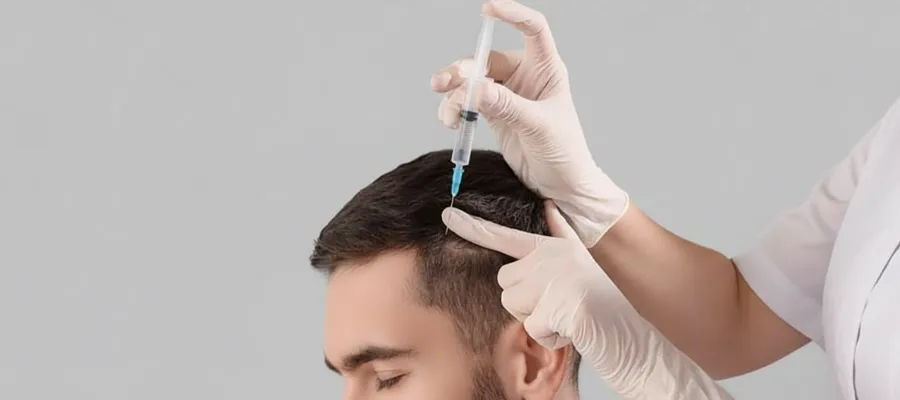
The procedure is generally performed using FUE and DHI techniques. Hair follicles are extracted one by one from the donor area and implanted into the sideburn area at the appropriate angle.
The direction and density of the hair follicles are crucial during the procedure. With the correct technique, the transplanted hairs grow naturally and are permanent.
The procedure is usually completed within a few hours, and the patient can return to their daily life the same day. With proper care and follow-up, successful and aesthetically pleasing results are achieved.
How many grafts are needed for a sideburn transplant?
The number of grafts needed varies depending on the degree of baldness in the area and the desired density. Generally, a plan for a sideburn transplant involves between 200 and 800 grafts. This number may increase for larger areas or completely bald regions.
When planning, facial features, existing hair density, and the goal of a natural look are considered together. A balanced distribution is preferred, as using too many grafts can create an artificial look. With proper planning, it’s possible to achieve aesthetic and natural results even with fewer grafts.
What should be considered before a sideburn transplant?
Making certain preparations before the procedure ensures a smoother process. It is recommended to discontinue blood-thinning medications a certain period beforehand and to limit alcohol consumption.
It is also important that the skin is clean and the area is free of irritation on the day of the procedure. Reducing smoking also contributes positively to the healing process. All these preparations are among the factors that directly affect the success of the procedure.
Favorite Hair Transplant Post-Recovery Process and Time to See Results
The recovery process after the procedure is usually quick and comfortable. Mild redness and scabbing may occur in the first few days. This is normal and will resolve on its own shortly.
The scabs fall off in about 7-10 days, and the transplanted area heals. Some of the transplanted hairs may shed in the first few weeks, but this is temporary. New hairs begin to grow from the 3rd month onwards, and a noticeable density is achieved after the 6th month. Final results are usually seen within 10-12 months.
Sideburn Transplant Prices 2026
Sideburn Transplant Turkey prices in 2026 range from €2,500 to €3,250 on average. Sideburn transplantation is designed to restore missing, thin, or uneven facial hair along the sides of the face. The procedure uses individual hair follicles to create a defined shape that blends naturally with existing hair.
Costs may vary according to graft numbers, sideburn design, donor hair quality, and surgeon experience. Clinics in Turkey often customize the implantation angle to achieve balanced and realistic results. Treatment packages may also cover consultation, transfers, accommodation, medication, and follow-up care. A personal assessment determines the final sideburn transplant cost.
Frequently Asked Questions
Is a favorite hair transplant a painful procedure?
Patient comfort is prioritized during the procedure, so no pain is felt. Both the donor area and the recipient area are numbed with local anesthesia. This means that only a slight pressure sensation may be felt throughout the hair transplant process.
After the effects of the anesthesia wear off, you may experience brief sensitivity or a slight tingling sensation. This is temporary and usually disappears completely within a few days. The process is generally more comfortable thanks to the medication prescribed by your doctor.
Will there be scarring after a hair transplant?
When performed with the correct techniques, no visible permanent scarring occurs. Especially when modern methods are used, since the roots are taken at the micro level, no noticeable scarring remains in the donor area.
In the treated area, redness and scabbing may be observed in the first few days. This is a natural part of the healing process and will disappear shortly. With proper care, the skin will fully regain its former appearance.
Is a favorite hair transplant permanent?
Because the hair follicles taken from the donor area retain their genetic characteristics, the results obtained after a hair transplant are permanent. Since the transplanted hairs are resistant to shedding, they remain for many years.
However, hair loss may continue in the person’s existing hair. Therefore, regular maintenance and, if necessary, supportive treatments are recommended for long-term aesthetic appearance.
Can a sideburn transplant be performed in the same session as a hair, beard, or mustache transplant?
With proper planning, multiple areas can be treated on the same day. Sideburn Transplant can be planned and performed in a single session along with hair, beard, or mustache Transplant.
In these types of combined procedures, donor area capacity is carefully evaluated. With accurate calculations, both a natural and balanced appearance is achieved. Performing it on the same day also provides an advantage in terms of time.
Can hair Transplant be performed on areas with scars or burns?
Yes, hair Transplant can be performed on areas with scars or burns under suitable conditions. In such cases, a detailed skin evaluation is necessary before the procedure.
As long as the tissue structure is suitable, the transplanted follicles can take root in this area and create a natural appearance. However, the success rate may vary depending on the skin structure and the degree of damage.
With expert planning, it is possible to achieve aesthetically pleasing results with these procedures.
Is it possible to have a hair transplant again in the same area that was previously transplanted?
In most cases, it is possible to re-treat an area that has been previously treated. Especially if sufficient density was not achieved after the first procedure, or if aesthetic expectations have changed over time, a second treatment session can be used to support the hair transplant.
In hair transplant planning, the condition of existing hair, skin structure, and donor area capacity are carefully evaluated. If suitable conditions are met, a denser and more balanced appearance can be achieved with a second procedure. This process must be planned under the supervision of a specialist.
When can sideburns be trimmed or shaped after a sideburn transplant?
To ensure a healthy healing process after a hair transplant, the transplanted area should not be disturbed in the first few days. Once the scabbing is complete, usually within 10-15 days, the area can be gently touched.
It is recommended to wait a few weeks before performing a full haircut and styling. This period helps the transplanted roots to take root healthily. Cutting or styling too early can damage the hair follicles.
The following periods should be observed after a favorite hair transplant:
- No intervention in the region in the initial days.
- Completion of the crusting process
- Minor intervention to be performed after 10-15 days.
- Wait a few weeks for the full cut.
- Waiting for the roots to take hold before shaping.
- Avoiding premature slaughter
- Following doctor’s recommendations
Will hair follicles taken from the donor area adapt to the sideburn structure?
Hair follicles taken from the donor area can gradually achieve a natural look after being transplanted to the sideburns area. Although the hairs may appear different in texture initially, they will become more consistent with the sideburns area as they grow.
Hair Transplant performed at the correct angle and direction plays a crucial role in achieving natural integrity. With the right technique and proper planning, sideburns can achieve an aesthetically pleasing and natural look.
Factors that influence the adaptation of hair follicles to the sideburn area include:
- Placing hair follicles at the correct angle
- Preserving the natural flow direction.
- Hair Transplant that suits the desired structure.
- Completion of the extension process
- The hairs will regain their natural appearance over time.