




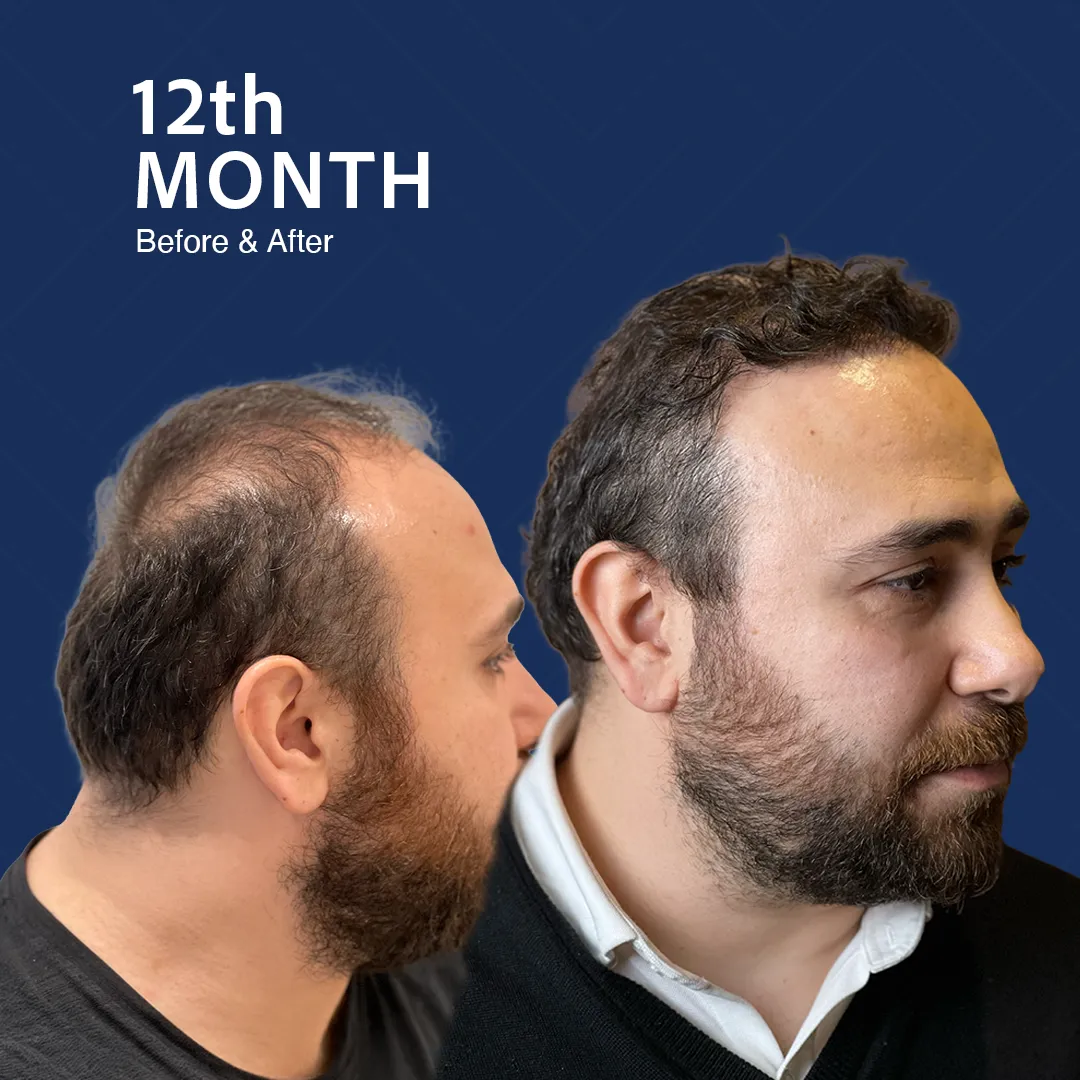
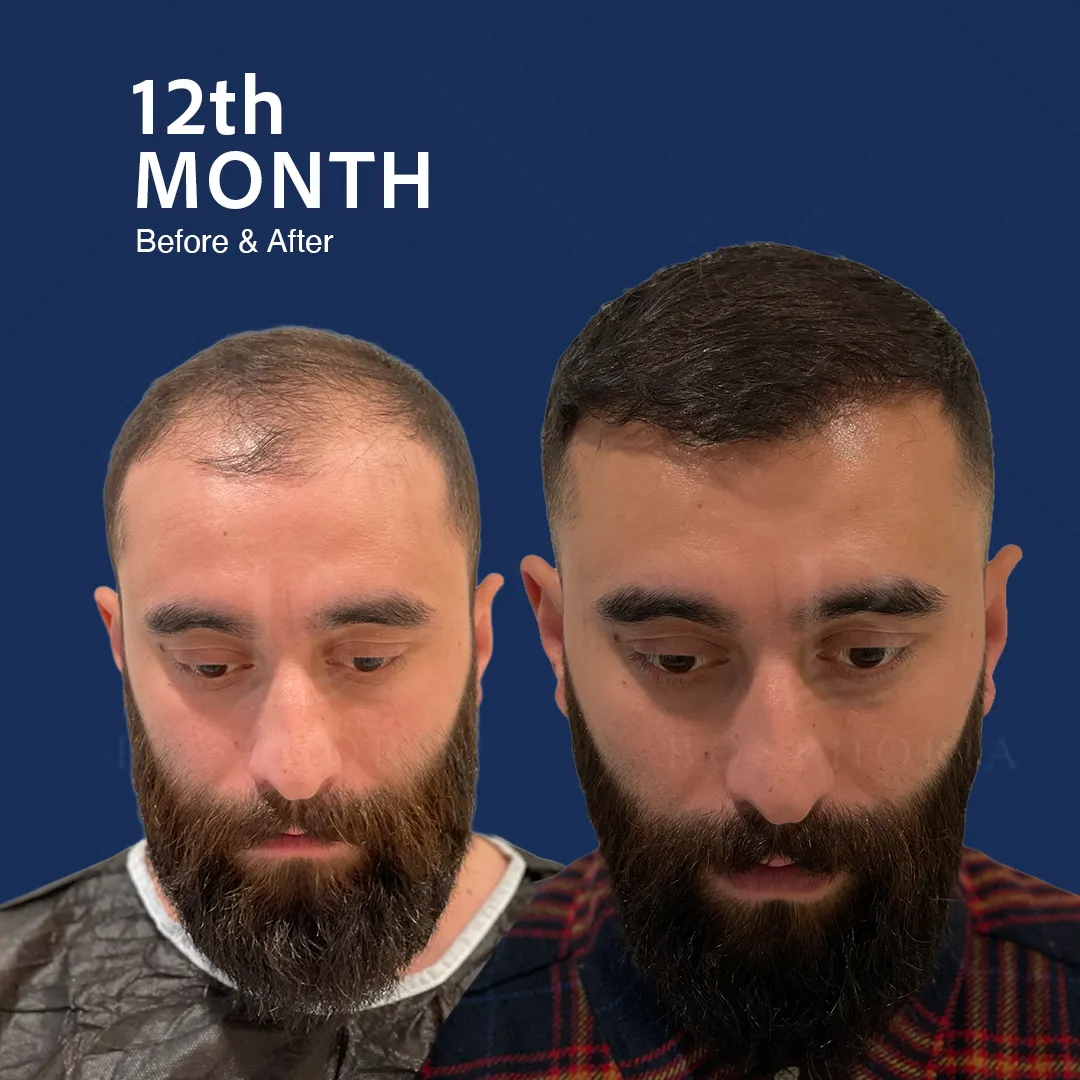
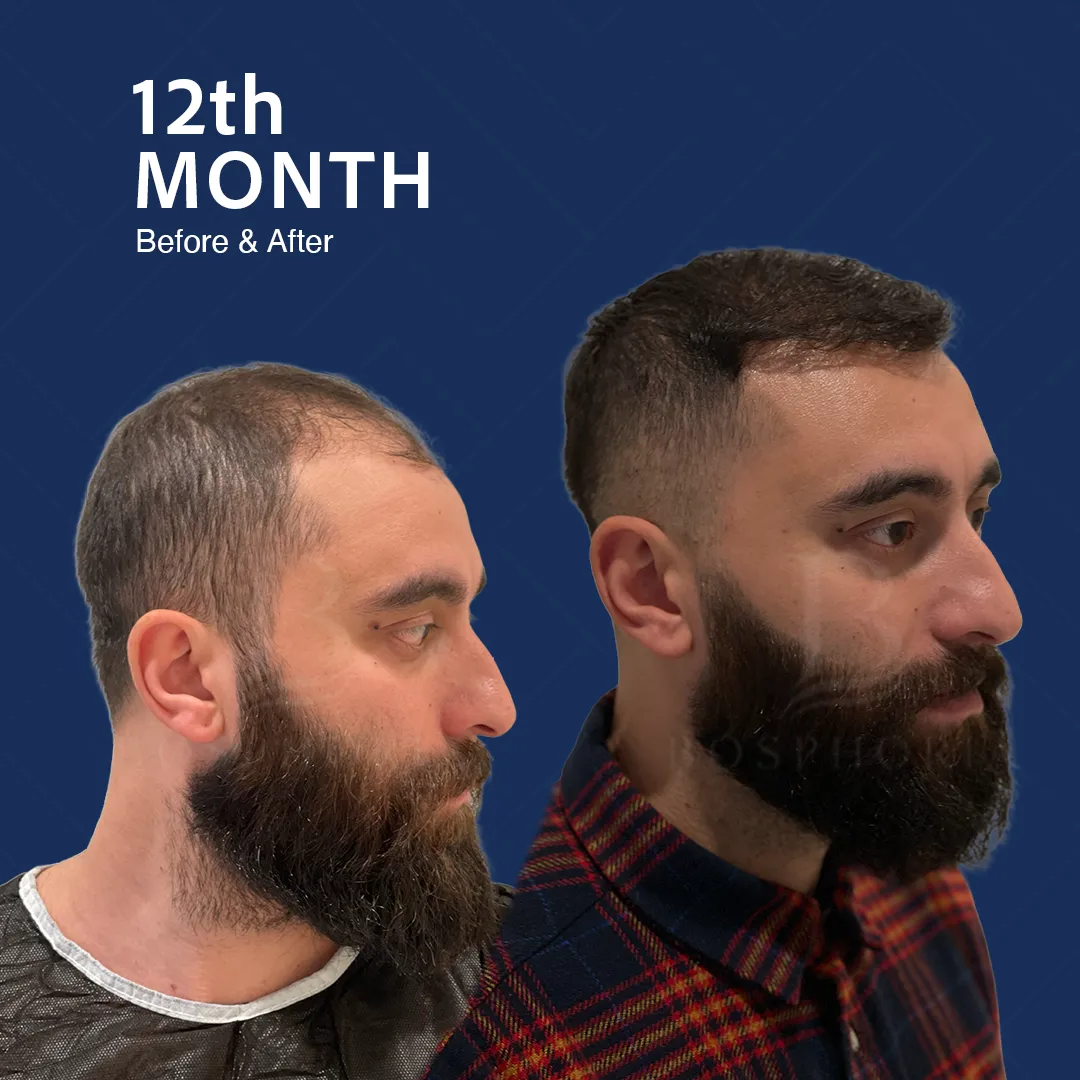
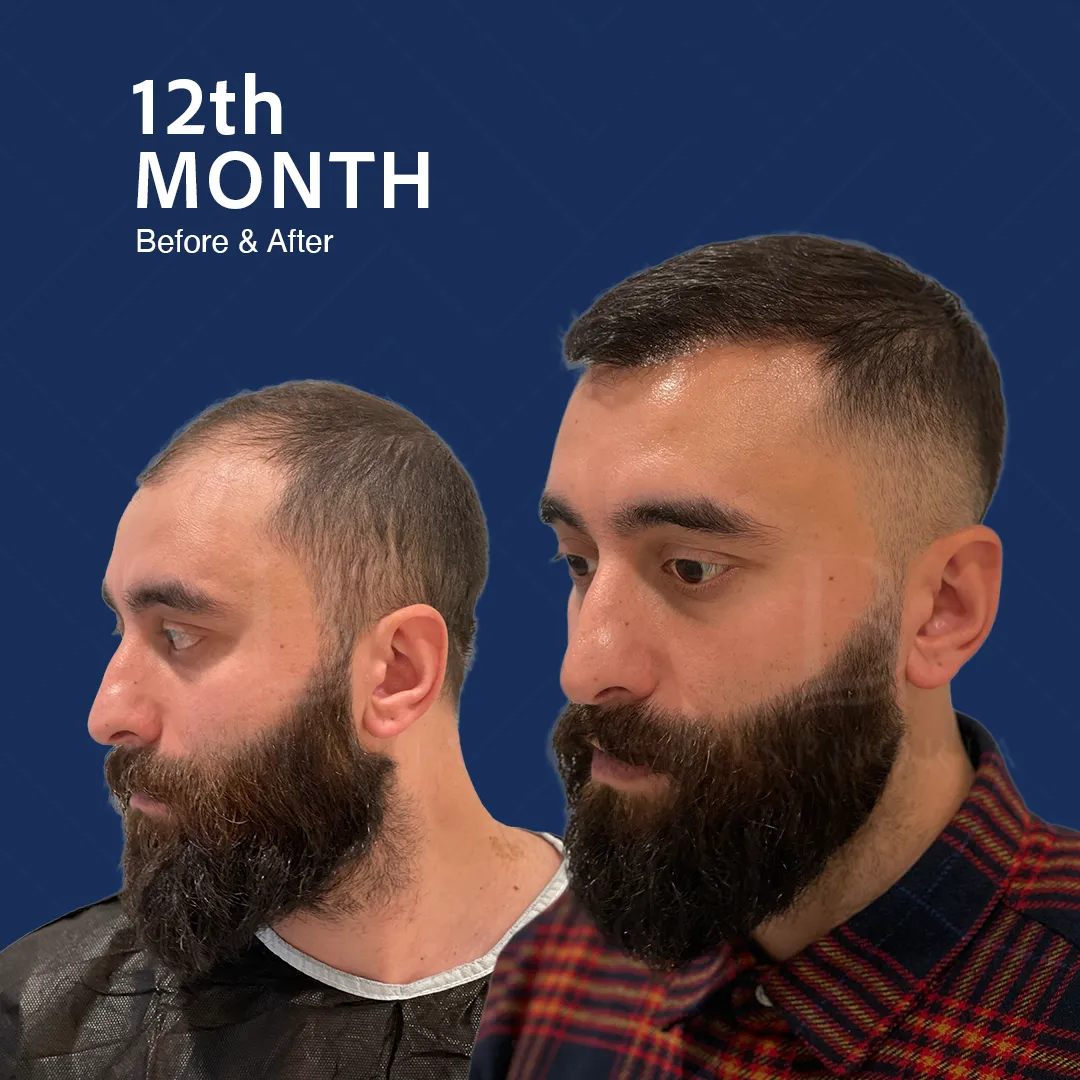
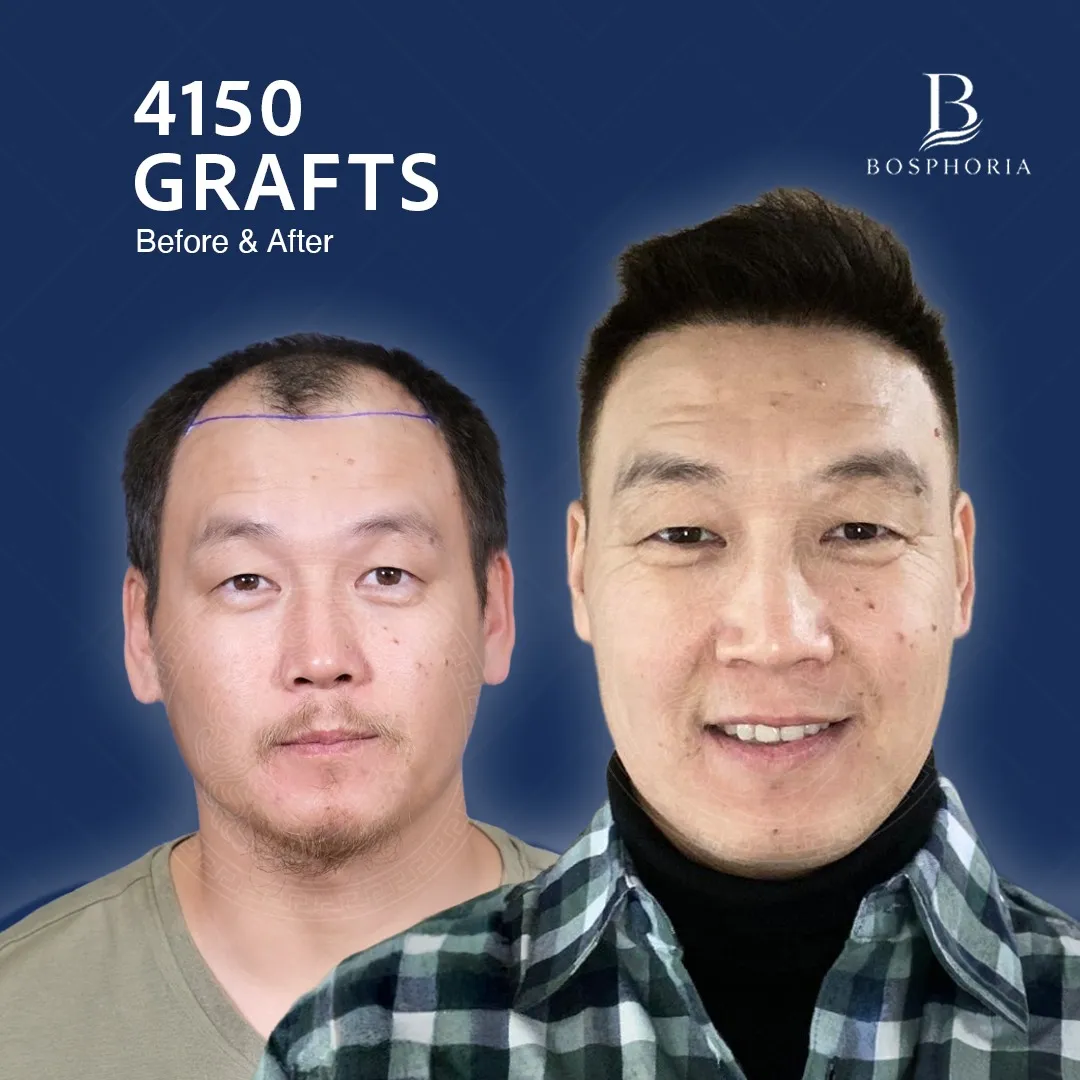

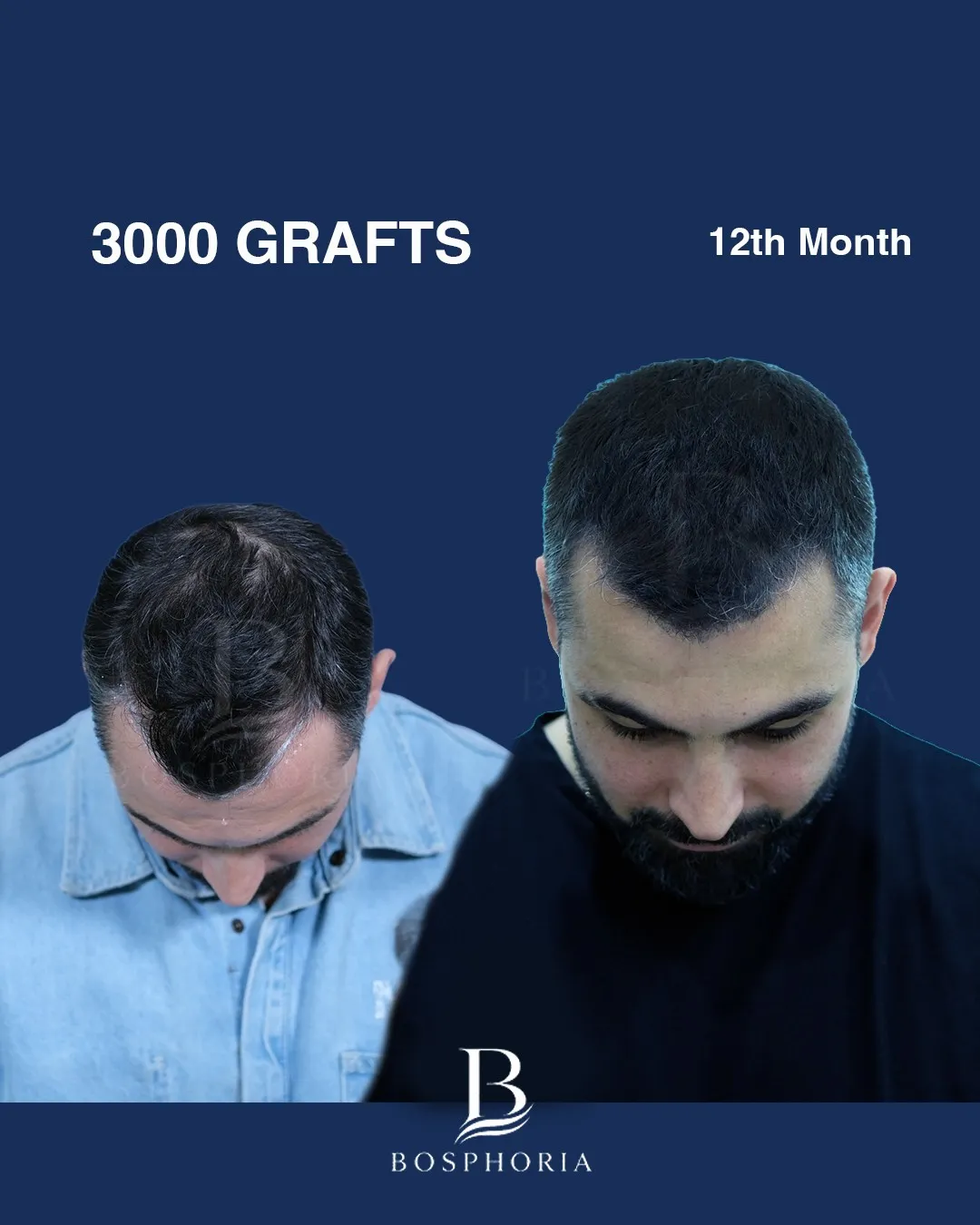
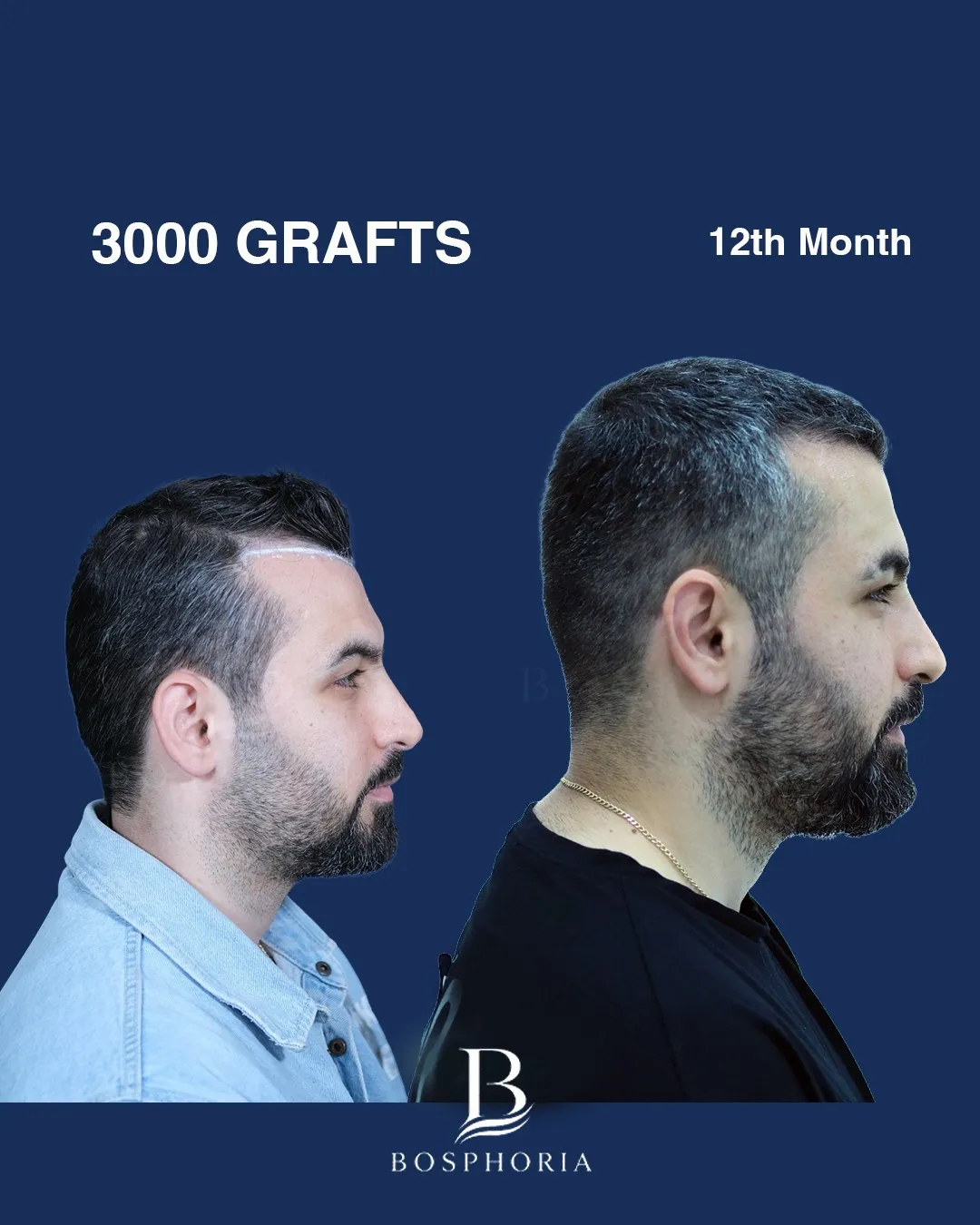
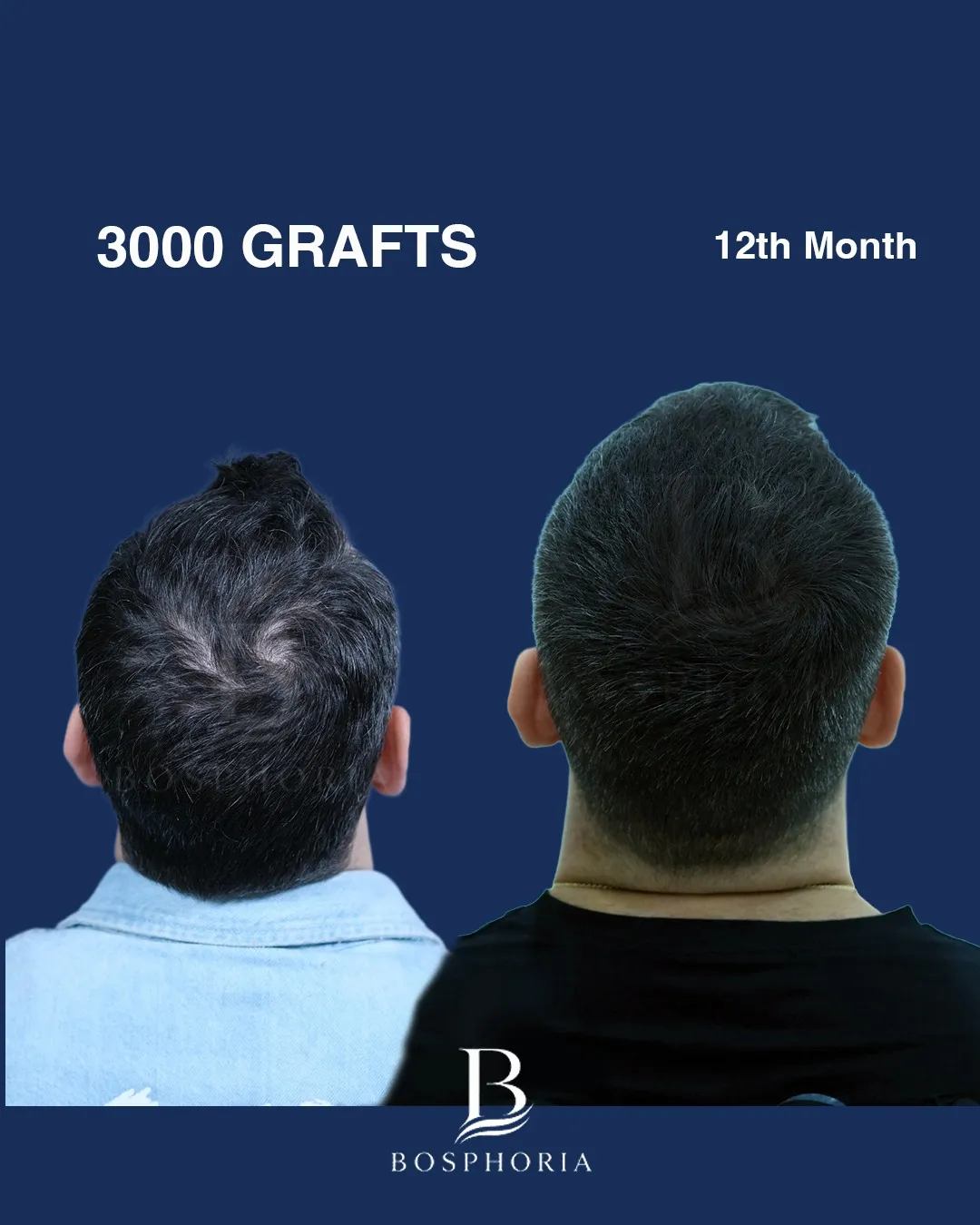
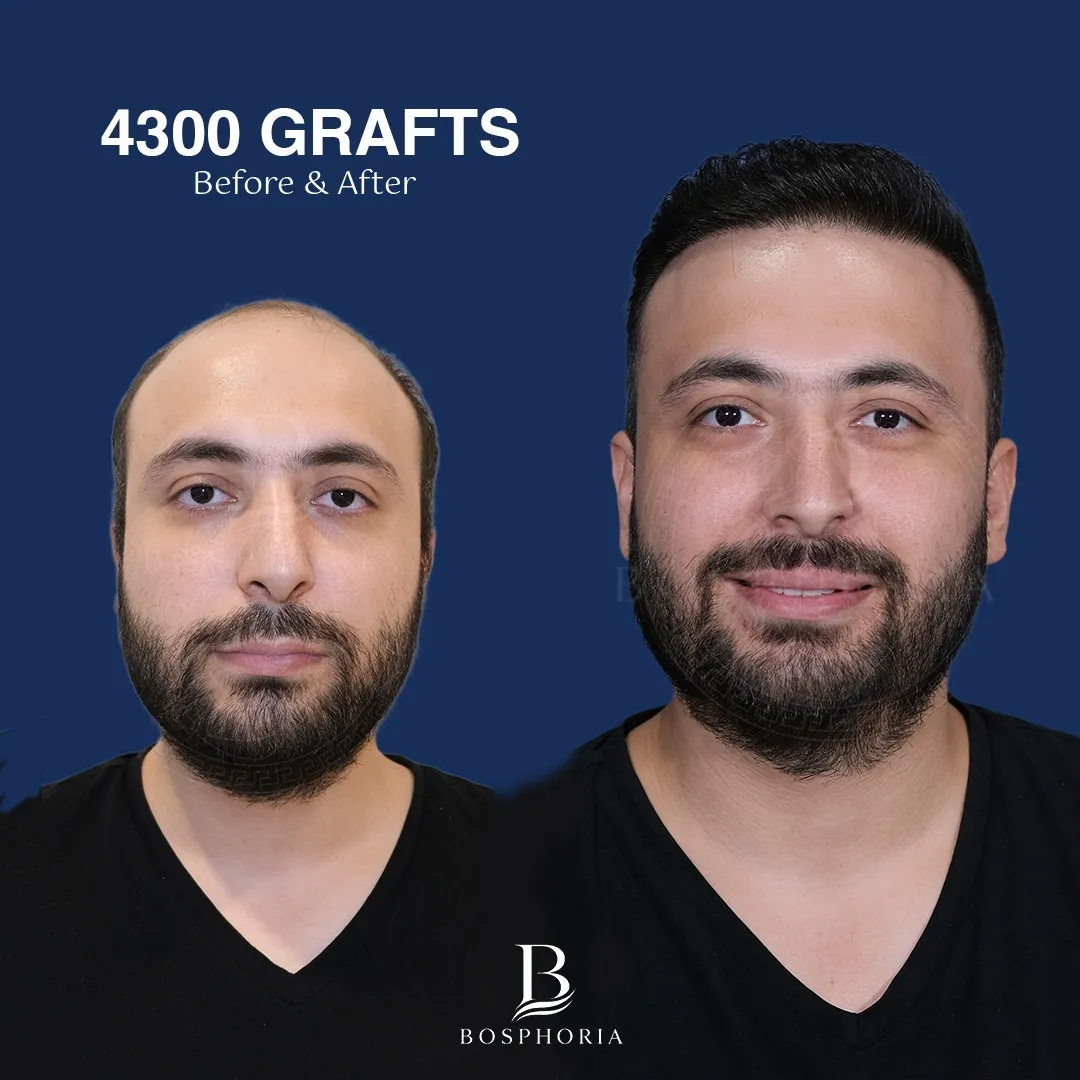
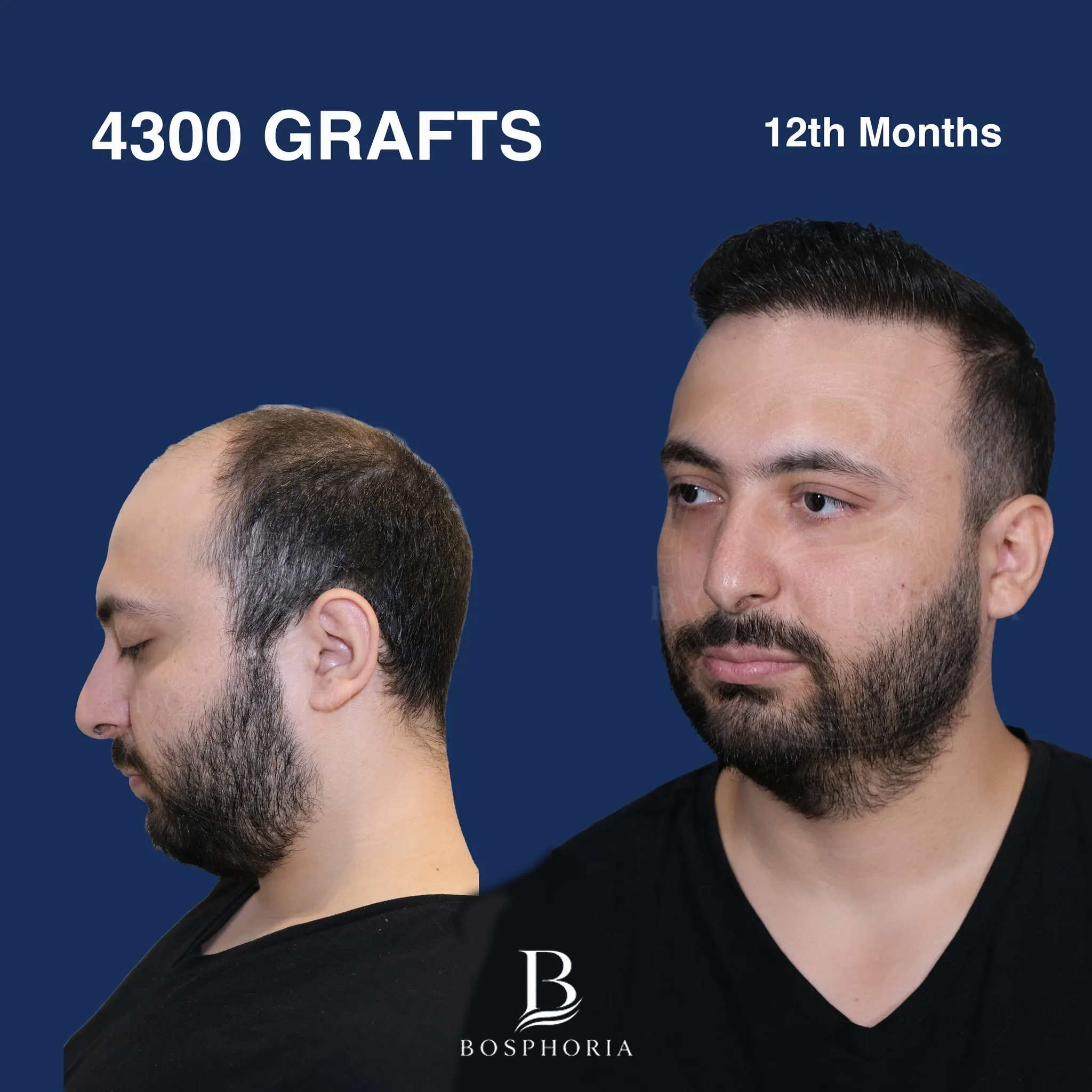
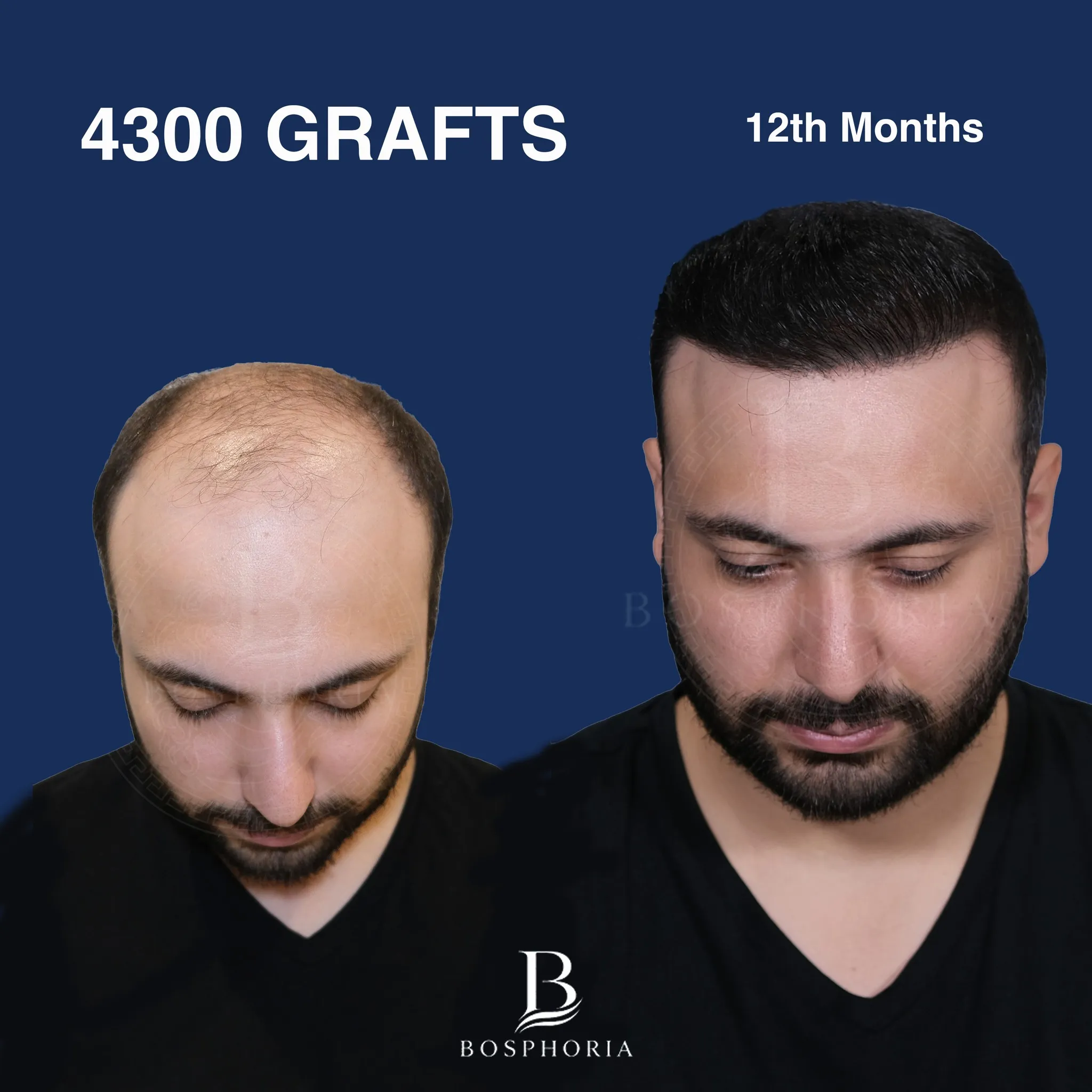
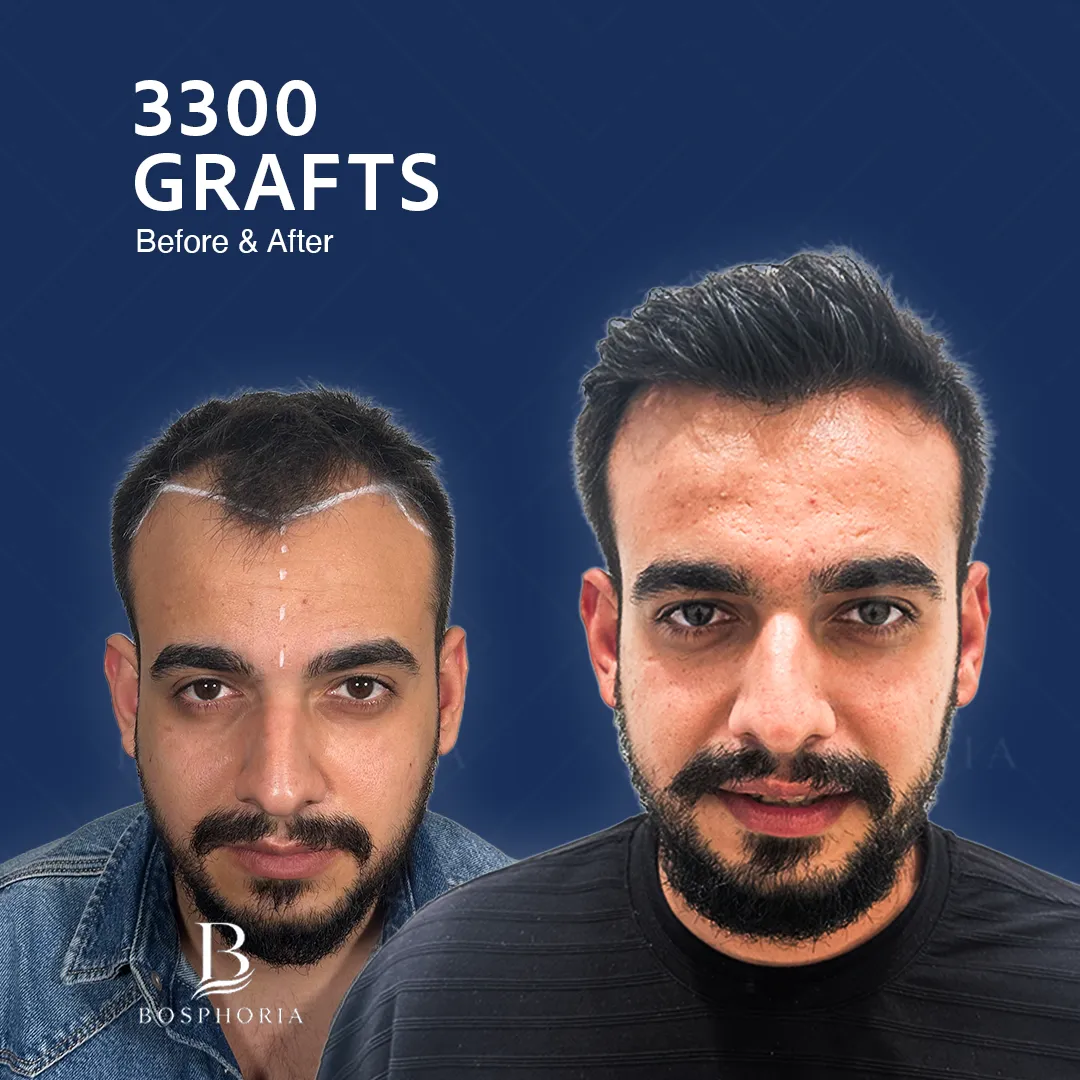
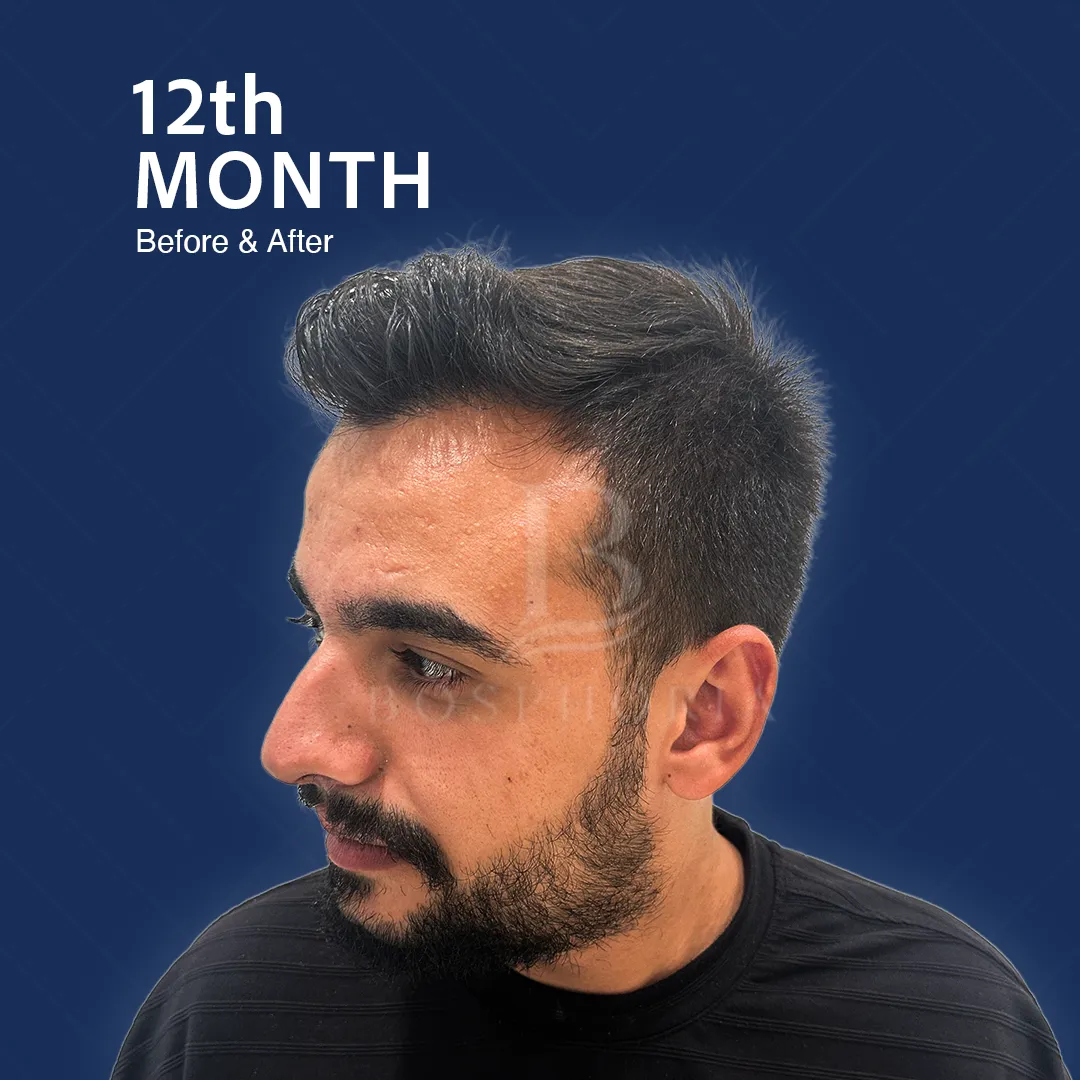
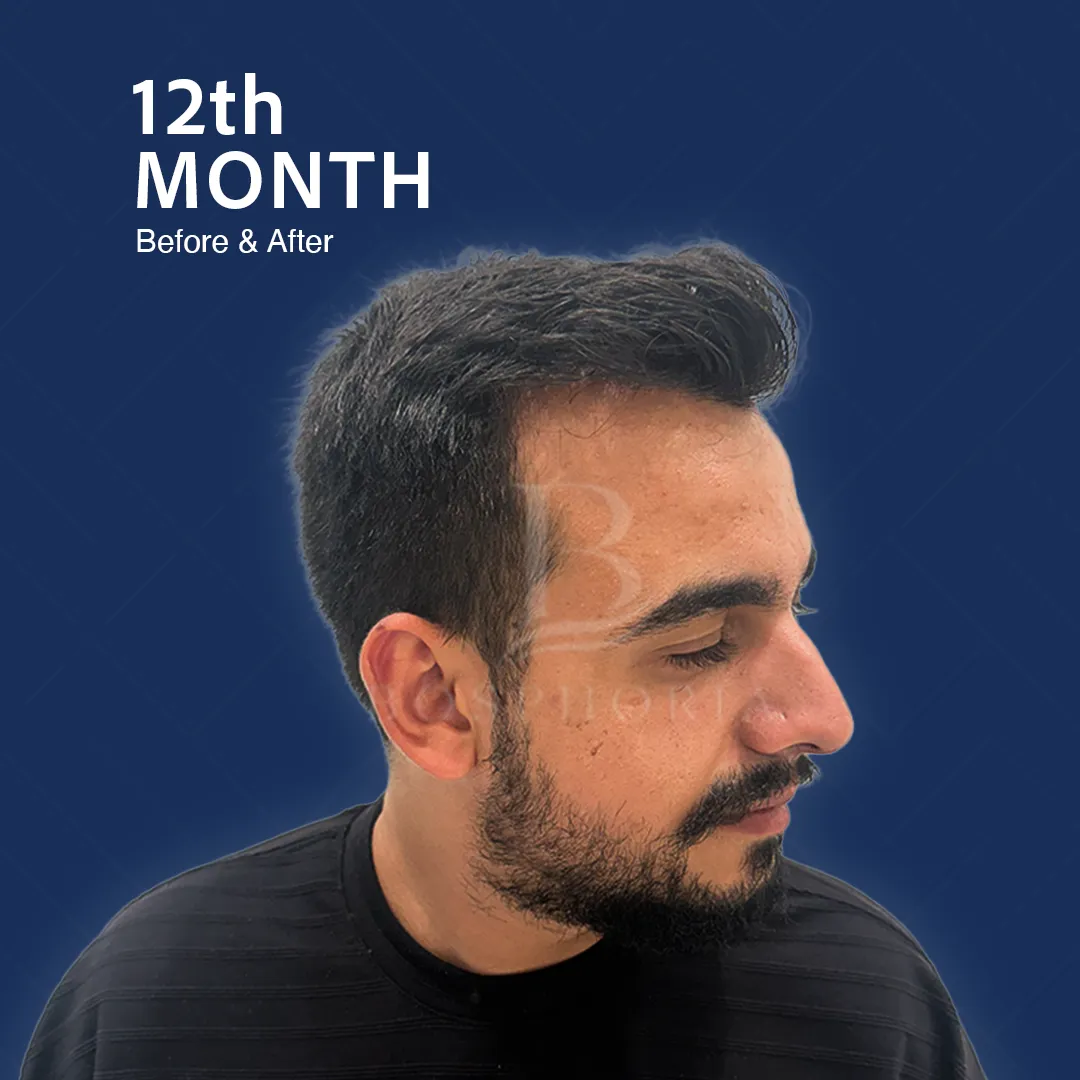
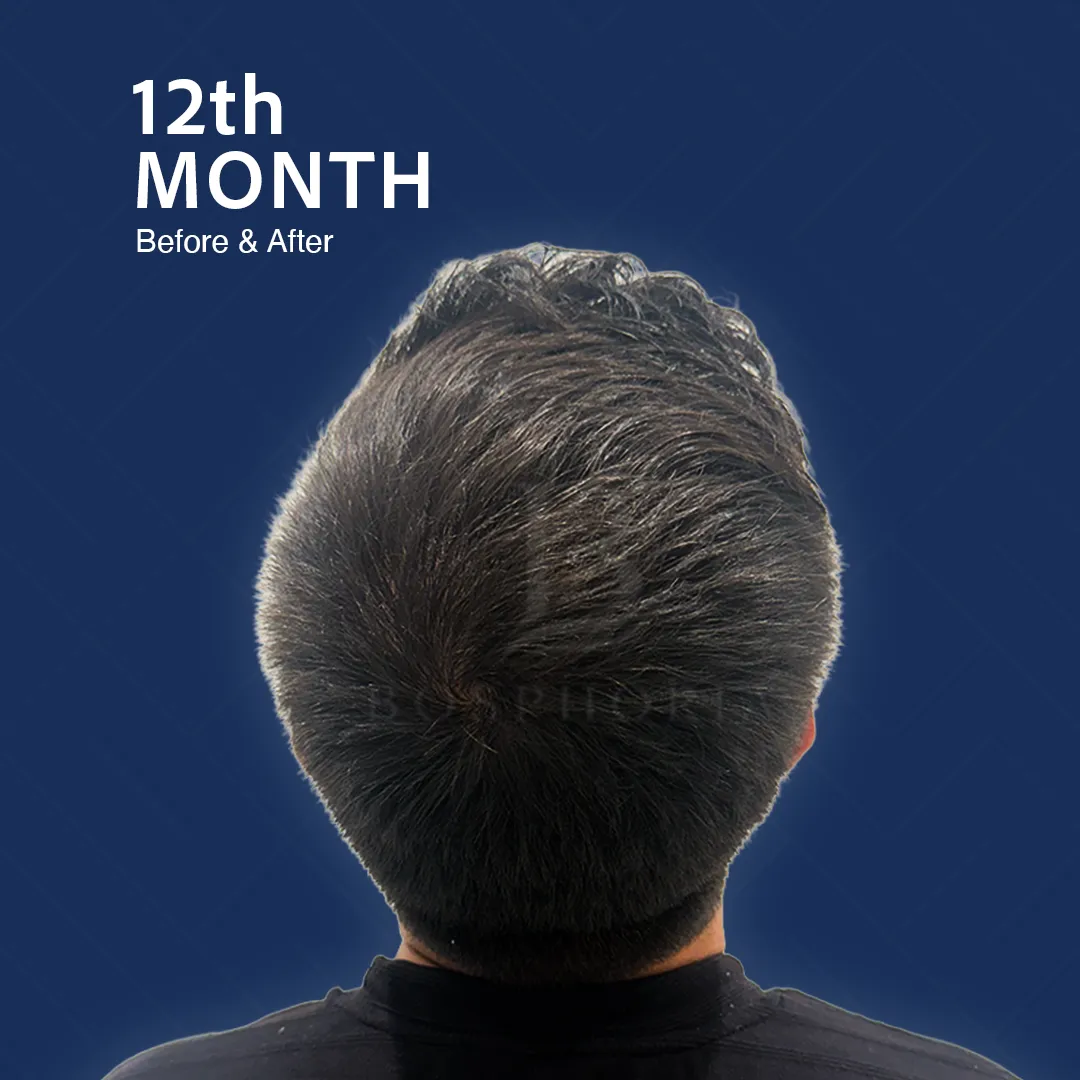
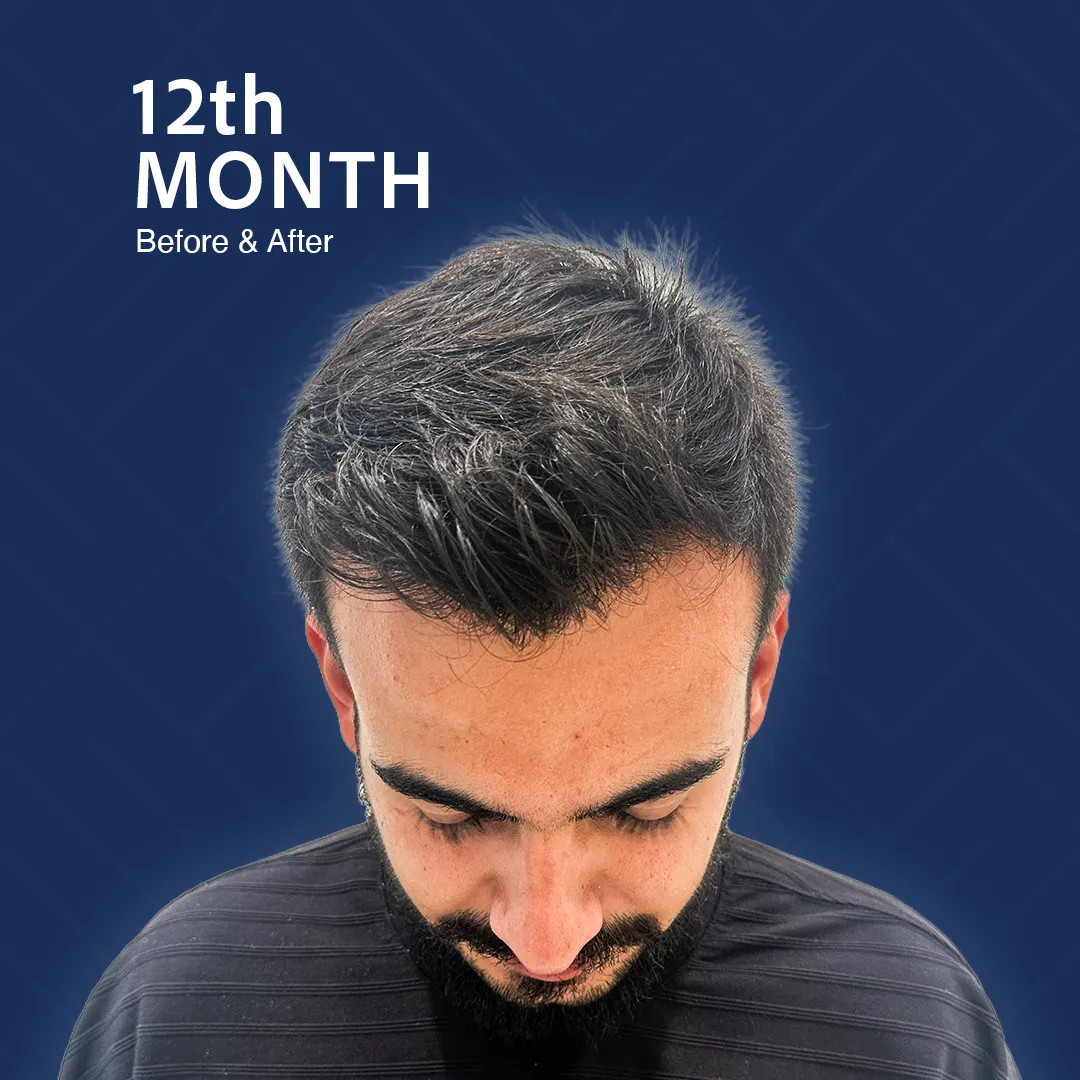
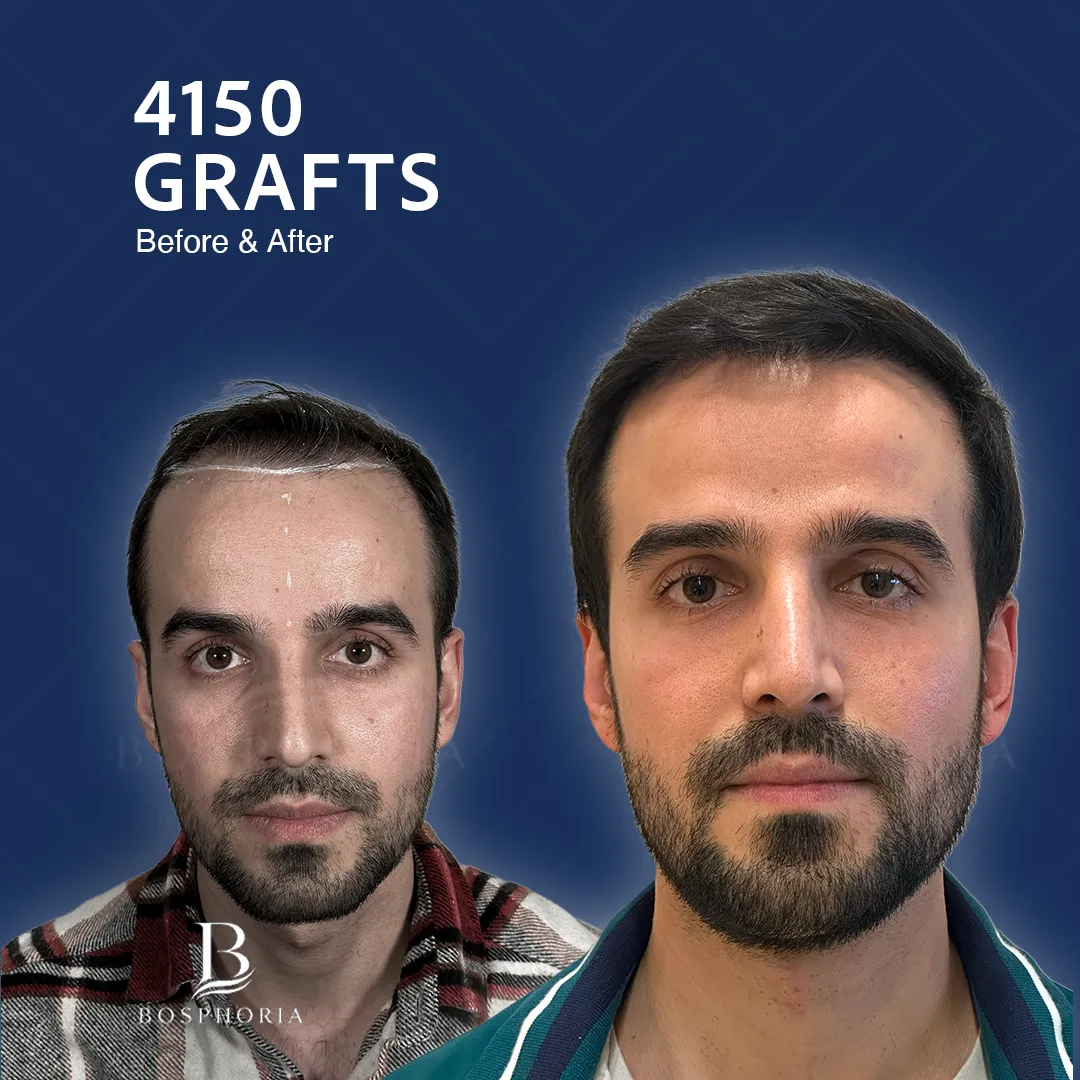
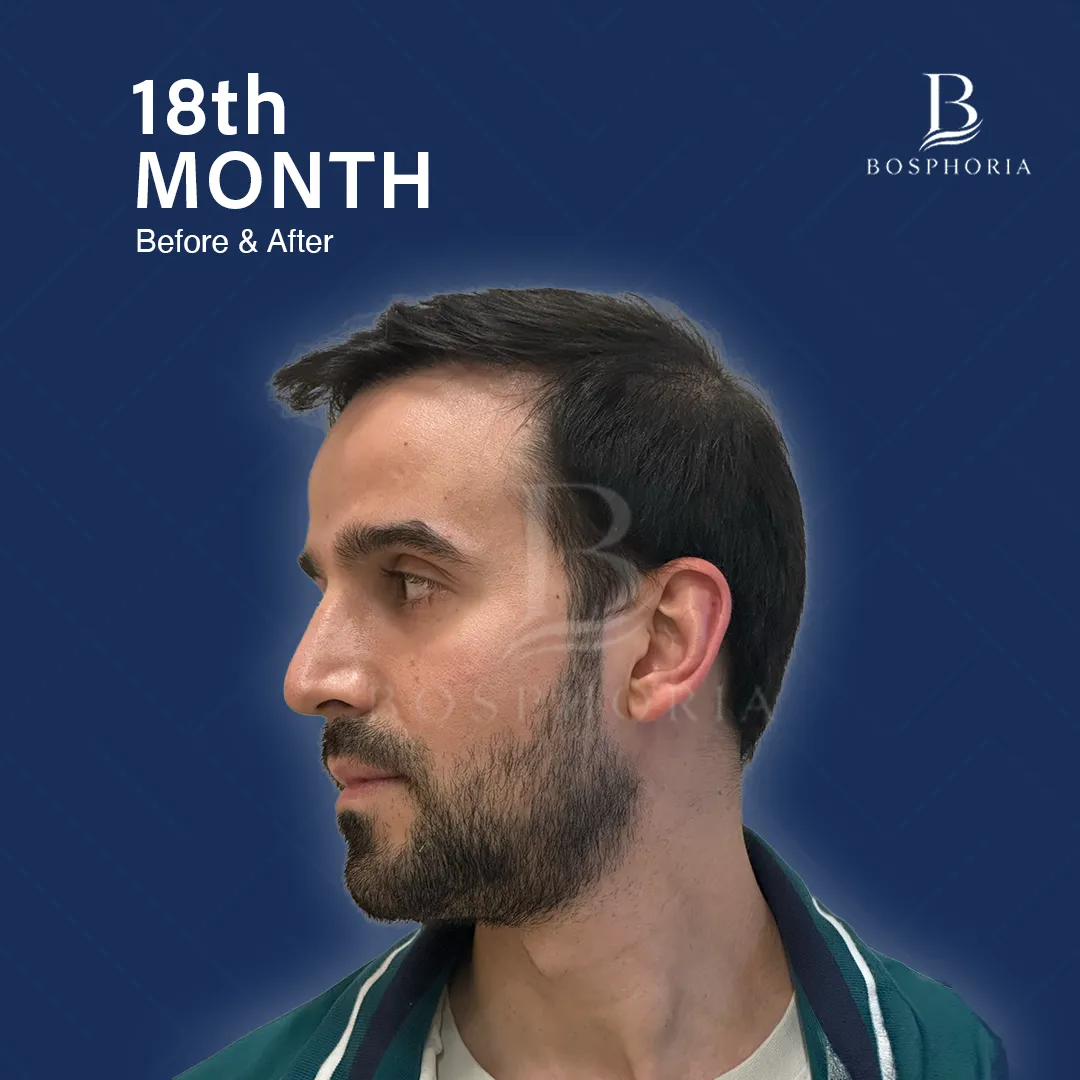
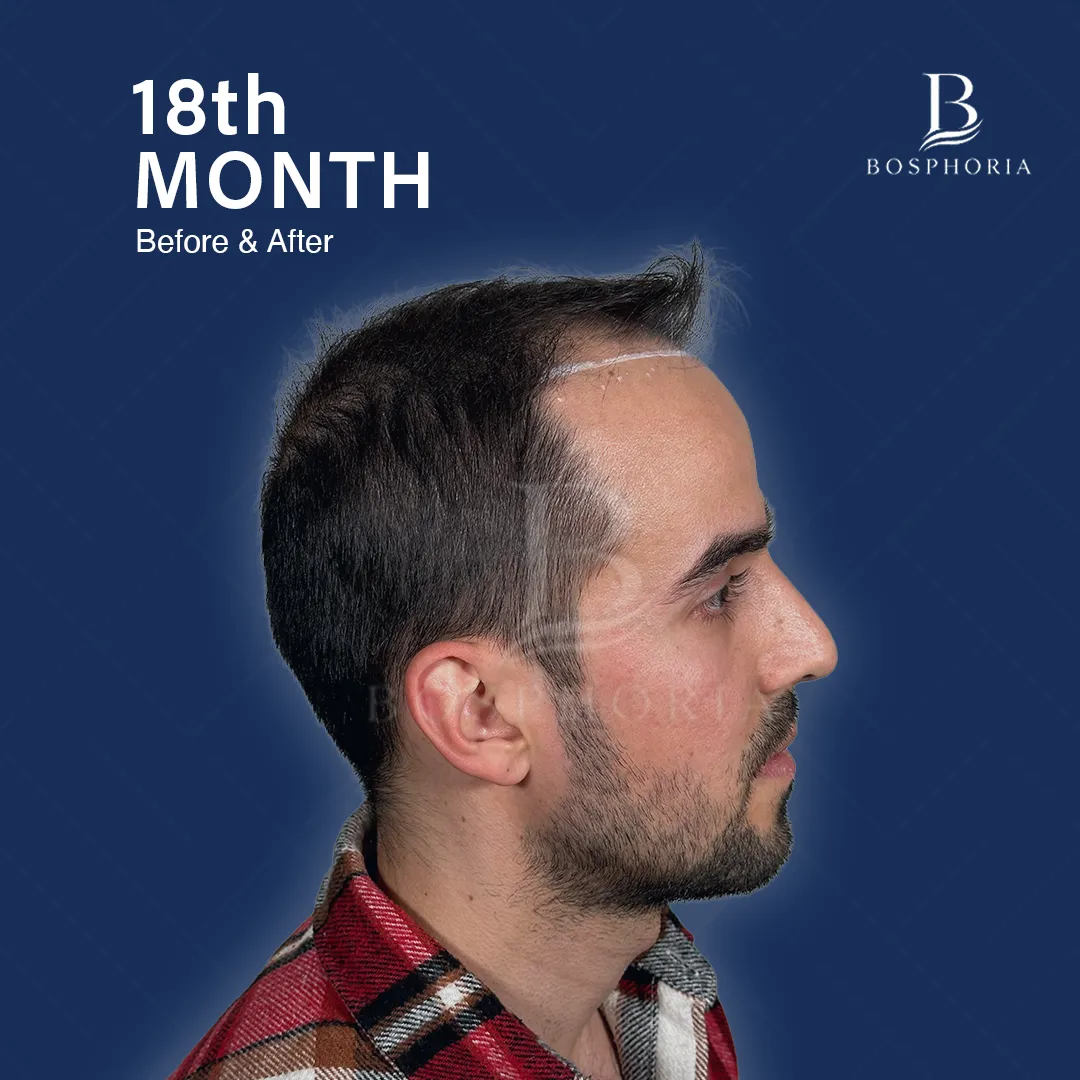
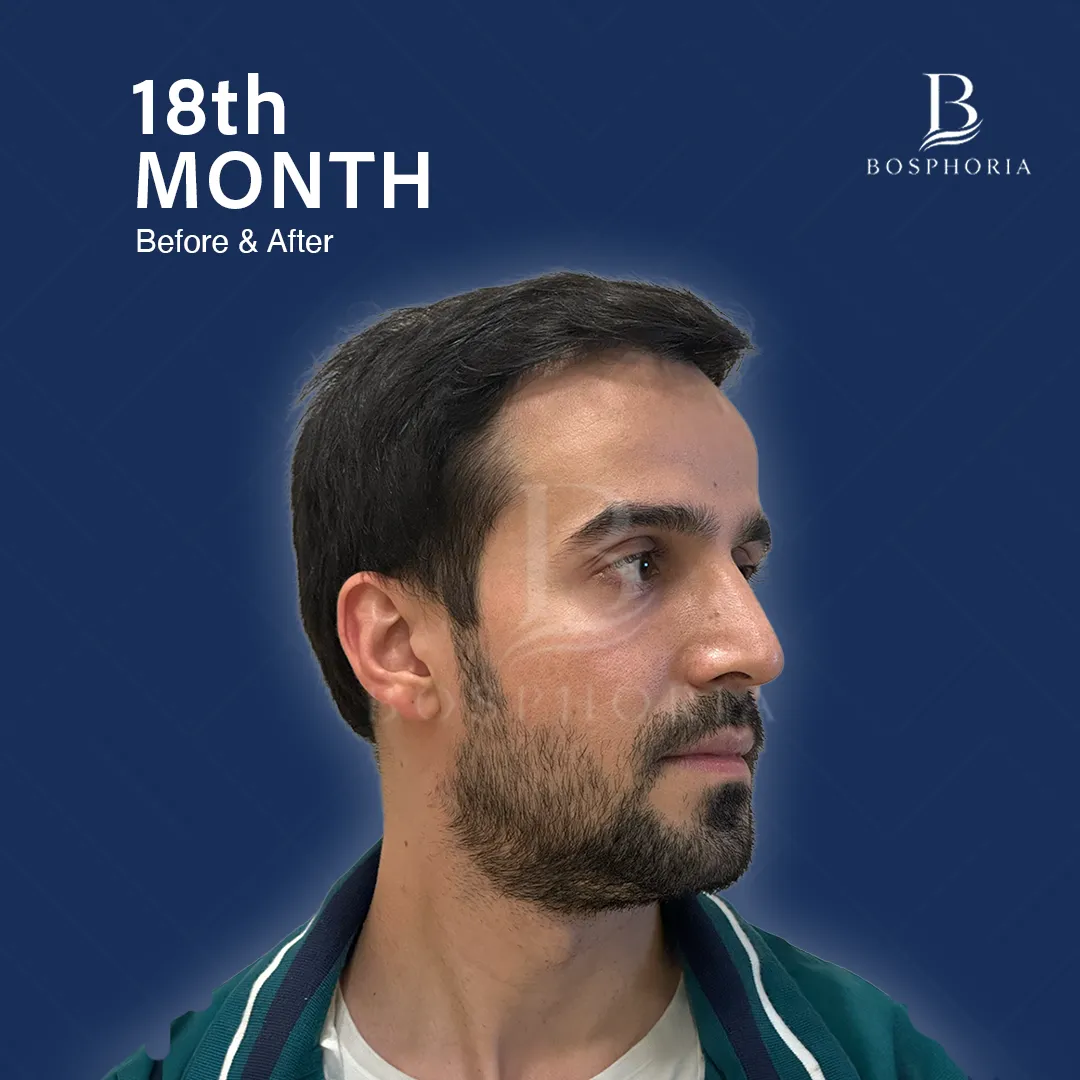
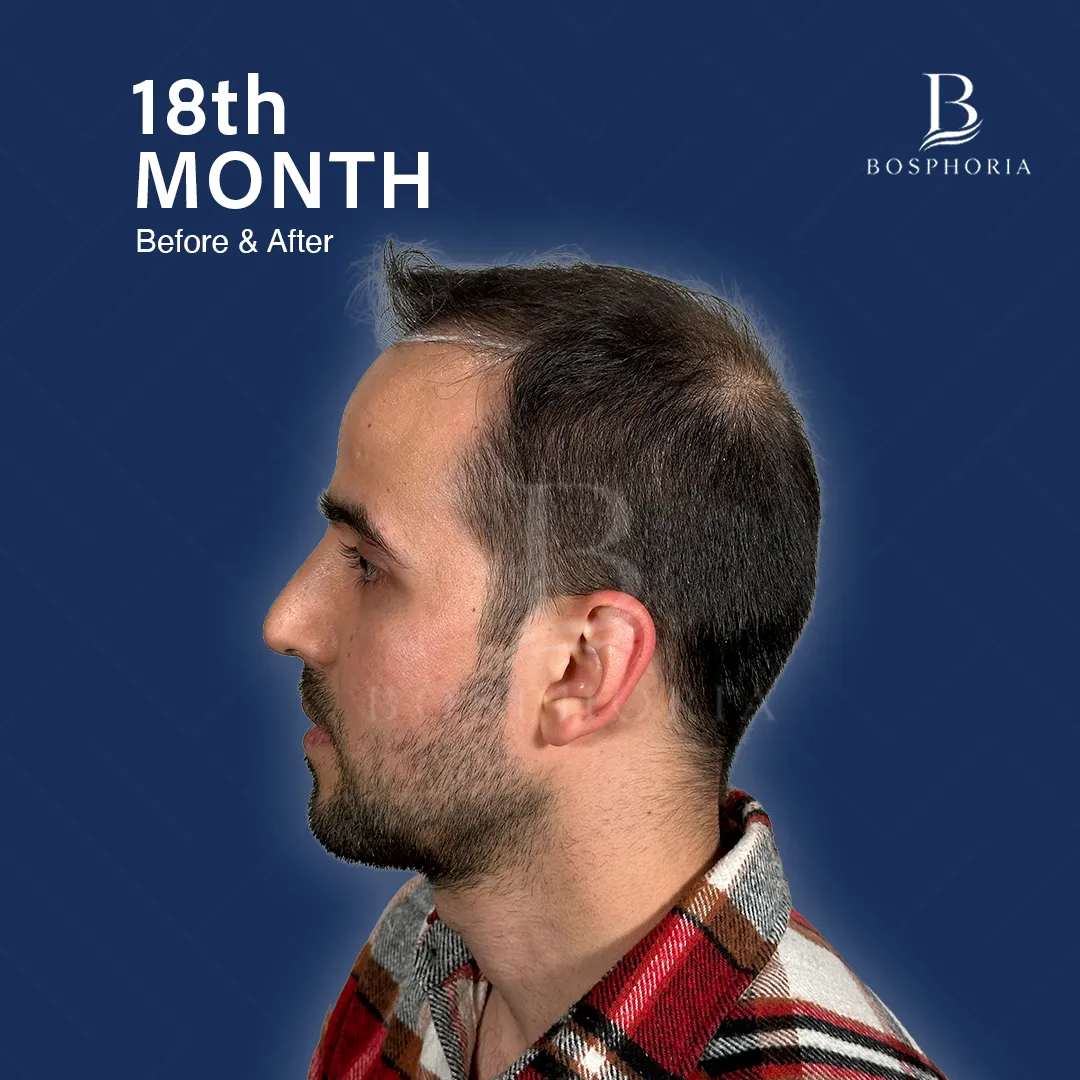
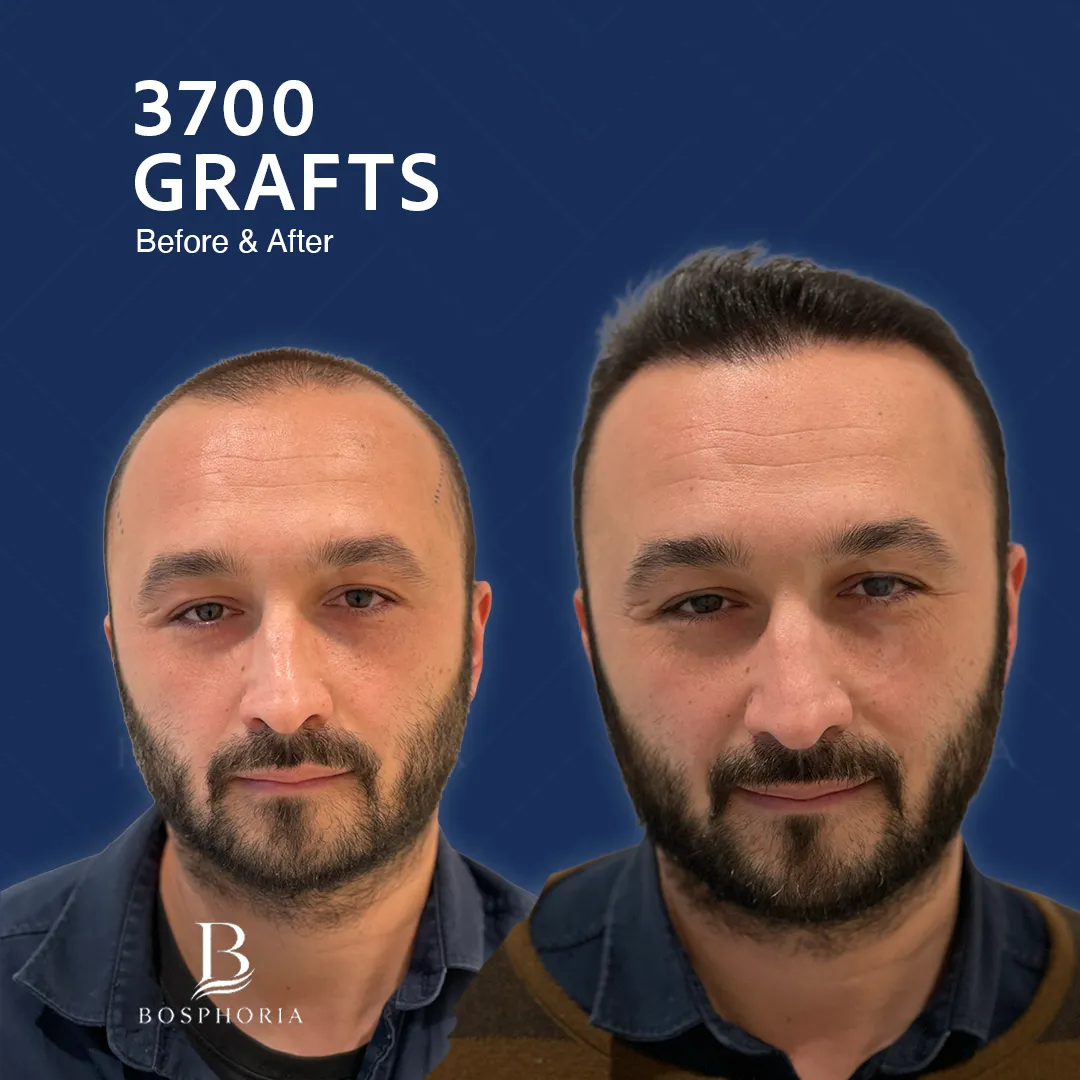

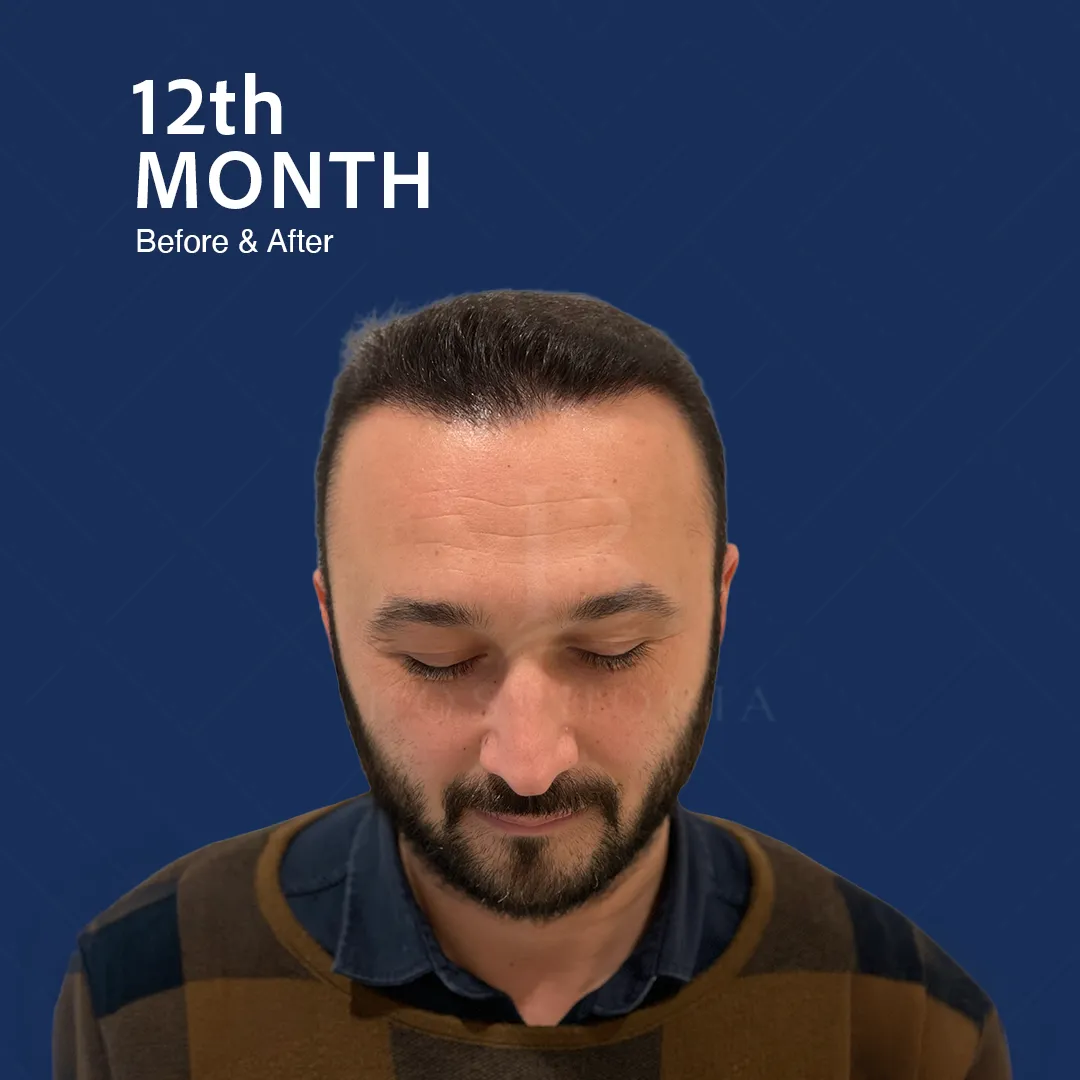
Hair Transplant Before and After Results
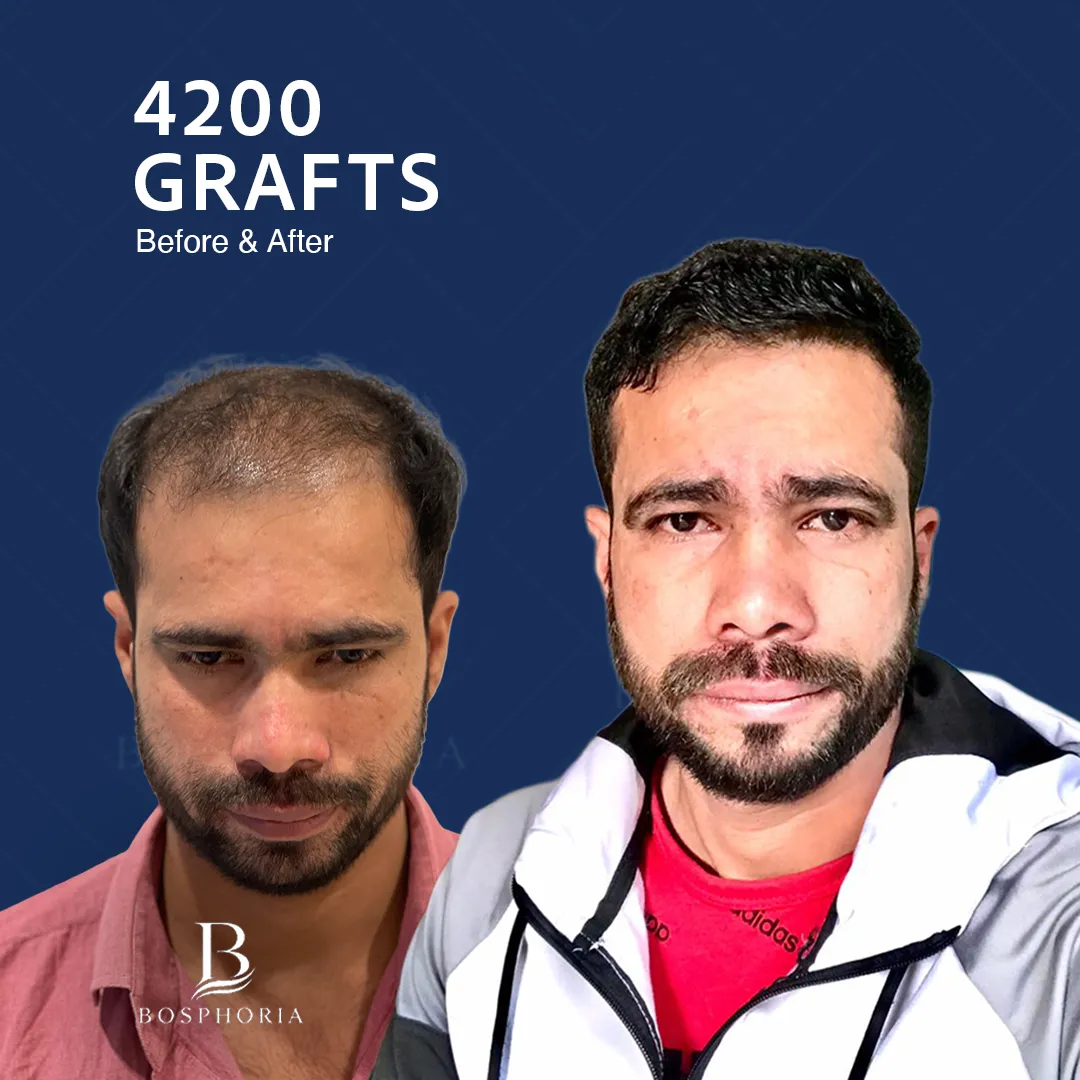
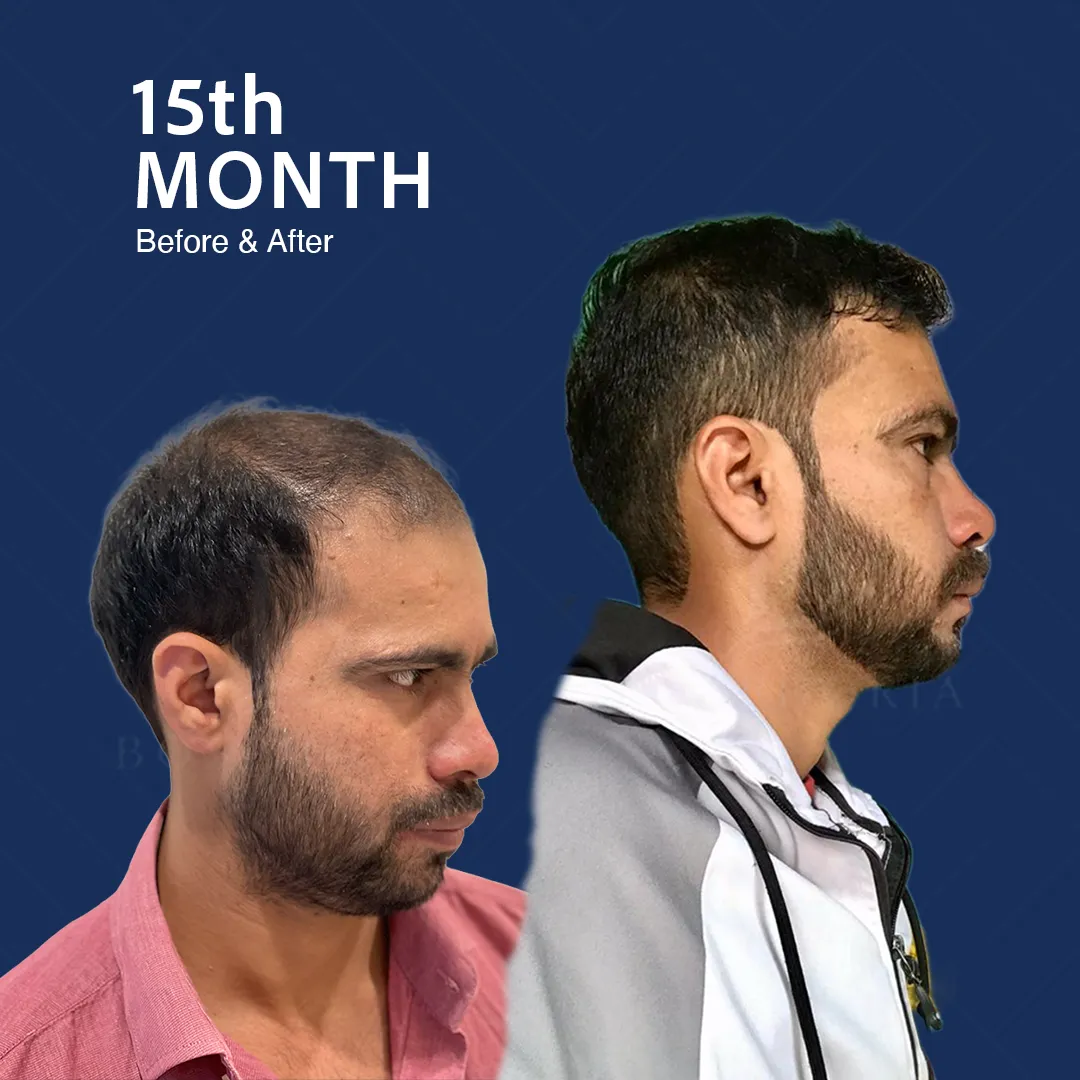
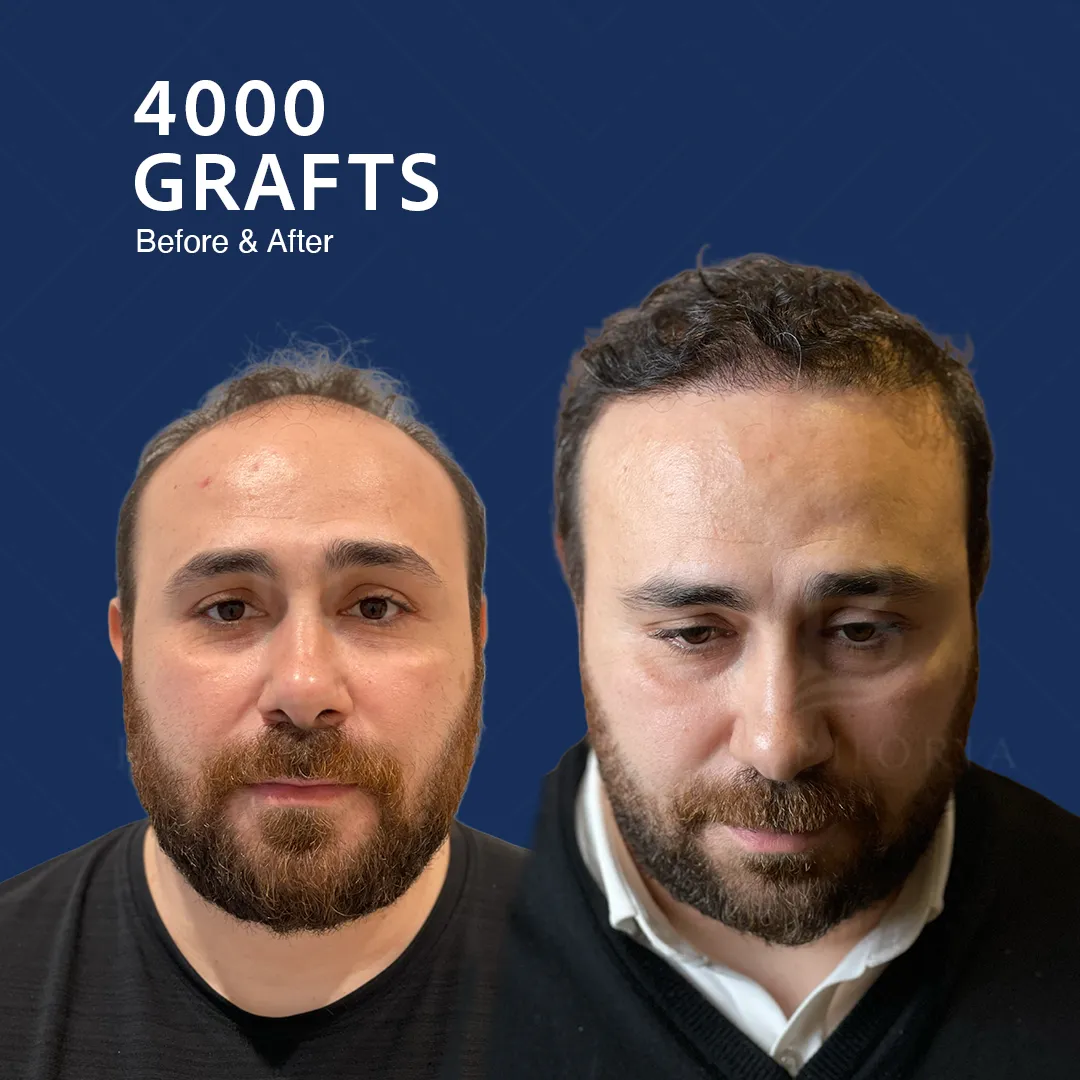
Hair transplant before and after results show how transplanted follicles can restore hairlines, density, and overall hair coverage. Results vary according to hair loss level, donor quality, graft count, and surgical planning. Early photographs usually show major visual differences between treatment stages. However, final growth does not appear immediately after surgery. Transplanted hairs often shed before entering a new growth cycle.
New hair usually becomes noticeable several months later. Hair transplant results continue improving as individual hairs become thicker and longer. Comparing photographs under similar lighting gives a more accurate impression. Natural results should blend transplanted hair with existing hair. A successful procedure also maintains balanced density and realistic hairline proportions.
Hair Transplant Before and After in Turkey
Hair transplant before and after results in Turkey can show significant improvements when treatment is properly planned and performed. Turkey attracts many patients seeking hair restoration because clinics perform large numbers of procedures. Results still depend on medical assessment, surgeon experience, donor capacity, and correct graft placement. Patients should compare cases with similar hair loss patterns before choosing treatment.
Hair transplant before and after photographs should use consistent lighting, angles, and hairstyles. This makes comparisons more reliable and transparent. Natural hairline design remains especially important for younger patients. Graft survival also influences final density. Patients should focus on realistic improvement instead of expecting unlimited coverage from a limited donor area.
Hair Transplant Results: What to Expect
Hair transplant results develop gradually, with noticeable growth usually appearing after several months and final improvement taking about one year. The first weeks mainly involve healing rather than visible hair growth. Transplanted hairs commonly shed during this period while follicles remain beneath the skin. New growth usually begins gradually around the third month. Hair may initially appear thin, soft, or uneven.
Density becomes more noticeable between six and nine months. Hair texture also improves as follicles mature. Most patients see substantial hair transplant results around twelve months. Crown areas may require additional time. Final outcomes depend on graft survival, donor quality, hair characteristics, and aftercare. Patience is therefore essential throughout recovery.
FUE Hair Transplant Before and After
FUE hair transplant before and after results usually show improved coverage without leaving a traditional linear donor scar. Follicular Unit Extraction removes individual follicular units from the donor area. These grafts are then placed into thinning or bald regions. The technique allows precise distribution across the hairline and larger treatment areas. Early results may appear sparse because transplanted hairs often shed temporarily.
New growth normally becomes visible after several months. FUE hair transplant results improve as new hairs become thicker and longer. Donor management remains important because excessive extraction can reduce visible density. Successful FUE treatment should produce balanced coverage while preserving a natural appearance in both donor and recipient areas.
DHI Hair Transplant Before and After
DHI hair transplant before and after results can provide natural coverage when graft direction, angle, spacing, and placement are carefully controlled. Direct Hair Implantation uses an implantation device to place prepared grafts into recipient areas. The method can help control hair direction during placement. However, technique alone does not guarantee better hair transplant results.
Donor quality, graft handling, medical planning, and surgical experience remain important. DHI may suit selected patients requiring hairline restoration or additional density. Initial shedding is still expected during early recovery. New hairs usually begin developing within several months. Final density becomes clearer over time. Successful DHI results should blend smoothly with existing hair without producing unnatural rows or excessive concentration.
Hair Transplant Before and After by Graft Number
Hair transplant before and after results change with graft number, but more grafts do not automatically create better outcomes. Graft requirements depend on treatment area size, hair loss severity, donor capacity, and desired density. Smaller hairline procedures may need fewer grafts than extensive frontal restoration. Large bald areas usually require greater coverage and careful distribution.
Hair thickness and curl can also affect visual density. One patient may achieve strong coverage with fewer grafts than another. Surgeons should protect the donor area instead of extracting unnecessary follicles. Hair transplant planning must balance immediate improvement with future hair loss. Accurate graft placement often matters more than simply reaching the highest possible graft count.
Natural Hair Transplant Results
Natural hair transplant results should recreate realistic hair direction, irregularity, density, and proportions without making transplantation obvious. The hairline plays a major role in creating a believable appearance. Perfectly straight or excessively low hairlines can look artificial. Natural designs normally include subtle variation and age-appropriate positioning. Single-hair grafts are often preferred around the frontal edge.
Larger follicular units can provide density behind this area. Hair angle must also follow surrounding natural growth patterns. Good hair transplant results should remain convincing from different viewing angles. Donor characteristics influence the final appearance as well. Hair thickness, color contrast, curl, and available graft numbers all affect how much coverage can realistically be achieved.
Hair Transplant Before and After: Hairline and Density
Hair transplant before and after comparisons should show both improved hairline framing and realistic density across the treated area. Hairline design determines how naturally the face is framed after treatment. Density determines how effectively the scalp becomes visually covered. Both factors require careful graft distribution. The frontal hairline usually needs softer spacing than areas behind it.
Placing excessive grafts at the front may create an unnatural appearance. Spreading too few grafts across large areas can create weak coverage. Hair transplant results therefore depend on balancing density with available donor supply. Existing hair must also be considered during planning. A successful result should appear natural today while remaining appropriate if future hair loss continues.
Hair Transplant Results Timeline
The hair transplant results timeline usually progresses from healing and shedding to gradual growth, thickening, and final maturation. During the first weeks, redness, crusting, and temporary shedding may occur. These changes are commonly part of the recovery process. New growth usually remains limited during the first two months. Early hairs may begin appearing around the third month.
More noticeable coverage develops between months four and six. Density often improves significantly between months six and nine. Hair continues becoming thicker and more mature afterward. Most hair transplant results can be evaluated around twelve months. Crown procedures may continue improving beyond this stage. Individual healing patterns can make the timeline slightly different for each patient.
First Month After Hair Transplant
The first month after hair transplant surgery mainly involves healing, shedding, and protecting newly implanted follicles. Small crusts usually develop around transplanted grafts during the early days. These gradually disappear as the scalp heals. Redness may also remain temporarily depending on skin sensitivity. Transplanted hairs often begin shedding during the following weeks.
This can concern patients, but the follicles may remain healthy beneath the skin. Visible hair transplant results should not be judged during this stage. Patients should follow washing and aftercare instructions carefully. Scratching, unnecessary friction, and excessive sun exposure should be avoided. The first month prepares the scalp for later growth rather than delivering the final cosmetic outcome.
Hair Transplant Results After 3 Months
Hair transplant results after three months usually show the beginning of new growth rather than significant final density. Some patients notice small, thin hairs emerging from transplanted follicles during this period. Others may experience slower development without indicating treatment failure. Early hairs can initially appear fine, uneven, or lighter than expected.
They usually improve as the growth cycle progresses. The treated area may still look sparse compared with expected final results. Hair transplant growth should therefore be evaluated cautiously at three months. Major density changes normally occur later. Healthy follicle development depends on graft survival and individual growth cycles. Comparing monthly photographs can make gradual improvements easier to recognize.
Hair Transplant Results After 6 Months
Hair transplant results after six months usually show visible improvement in coverage, although further growth and thickening are still expected. By this stage, many transplanted follicles have entered active growth. New hairs often become longer, stronger, and easier to style. Hairline changes usually appear more clearly than during earlier months. Density can still remain below the final expected level.
Some follicles may begin growing later than others. Hair transplant results therefore continue developing beyond the sixth month. Texture may also improve as newly grown hairs mature. Patients should compare progress under consistent lighting conditions. Six-month results provide a useful indication of development, but they should not automatically be considered the final outcome.
Hair Transplant Results After 9 Months
Hair transplant results after nine months usually show substantial growth, stronger density, and a more established overall appearance. Many transplanted hairs have become longer and thicker by this stage. Hairline definition often appears considerably more natural than during earlier months. Styling also becomes easier because the transplanted hair has additional length. Some late-growing follicles may still continue emerging.
Hair caliber can also increase during the remaining maturation period. Nine-month hair transplant results are therefore encouraging but not always final. Patients with crown restoration may require additional patience. Hair growth speed differs between individuals and treatment areas. Final assessment should consider density, direction, coverage, donor appearance, and overall visual balance.
Hair Transplant Results After 12 Months
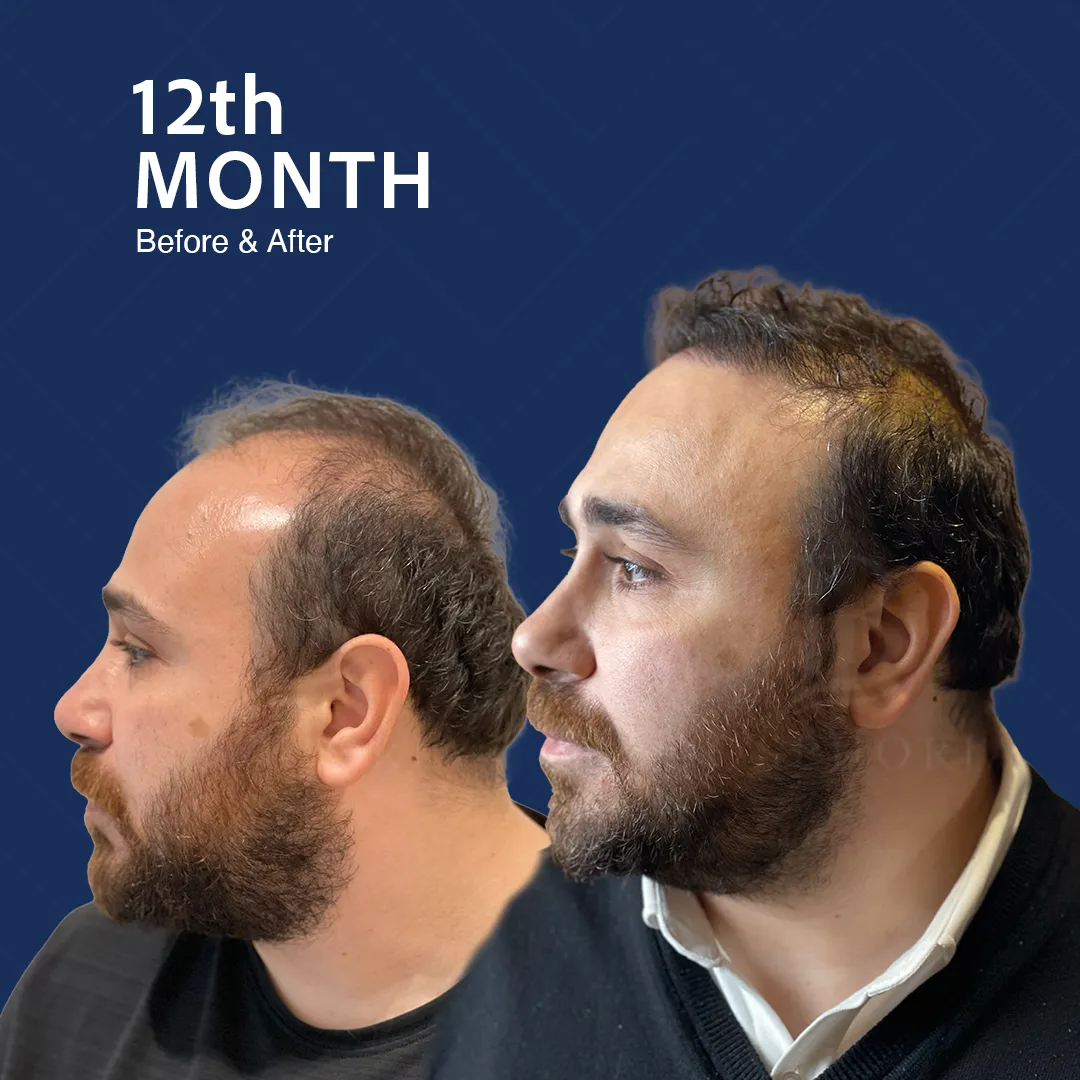
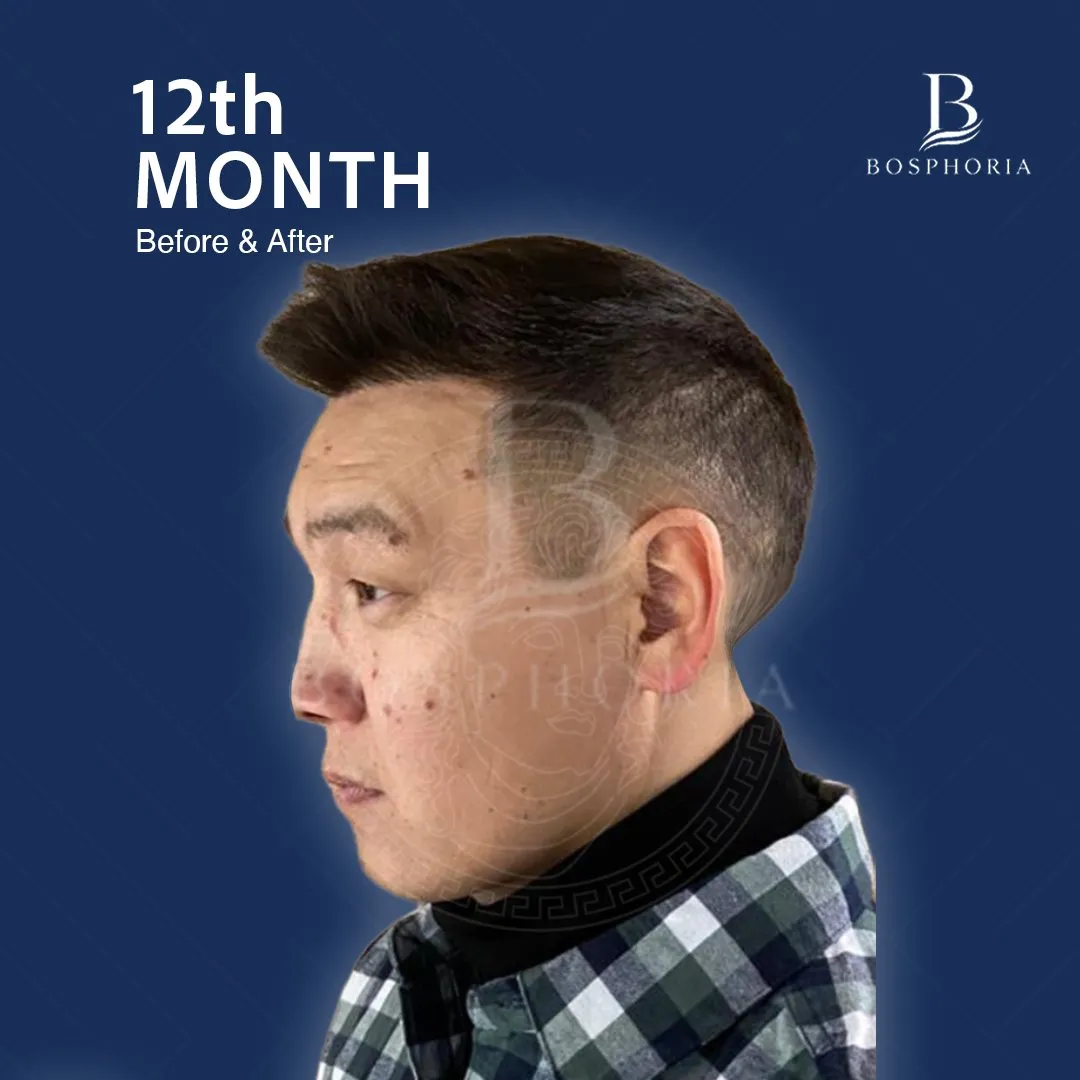
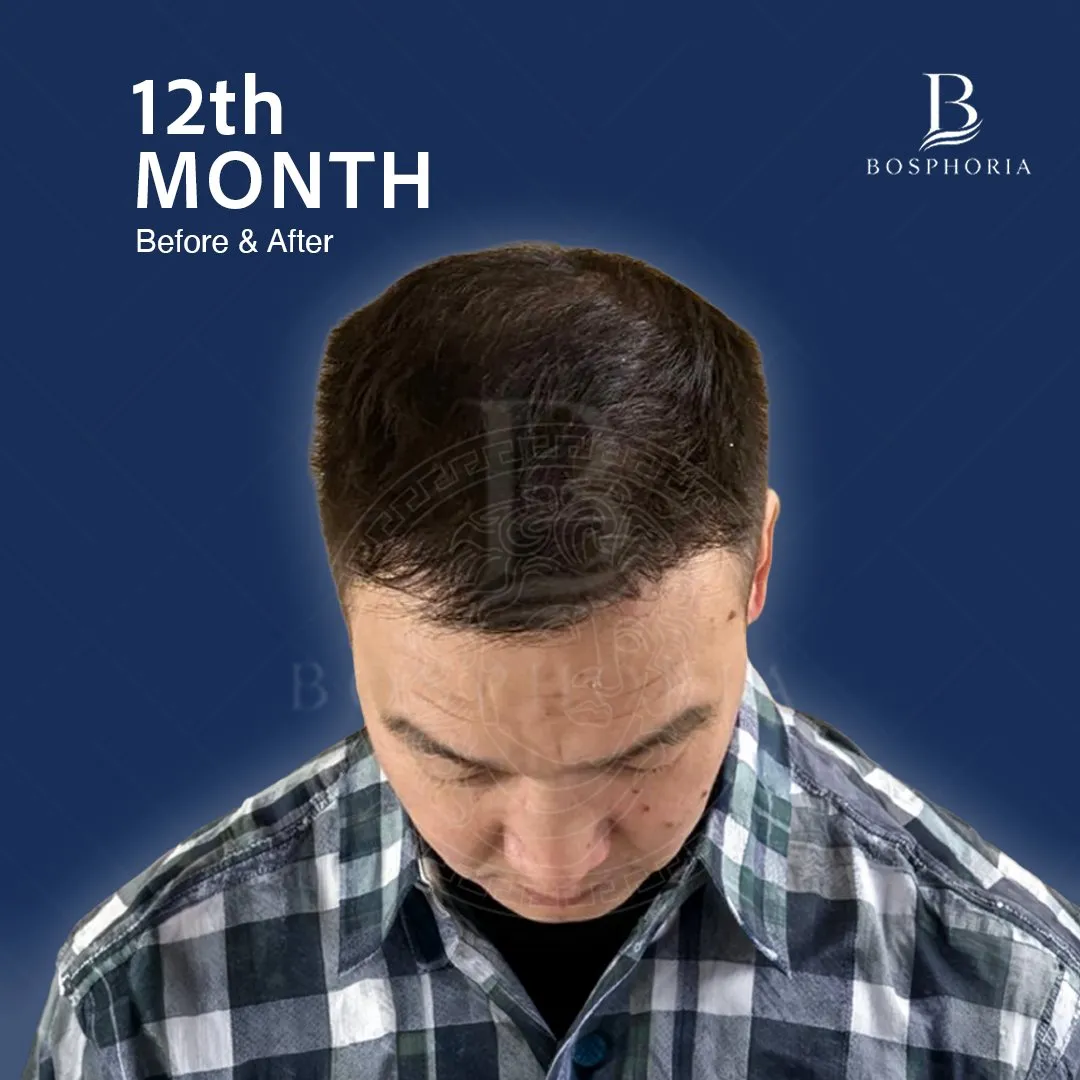
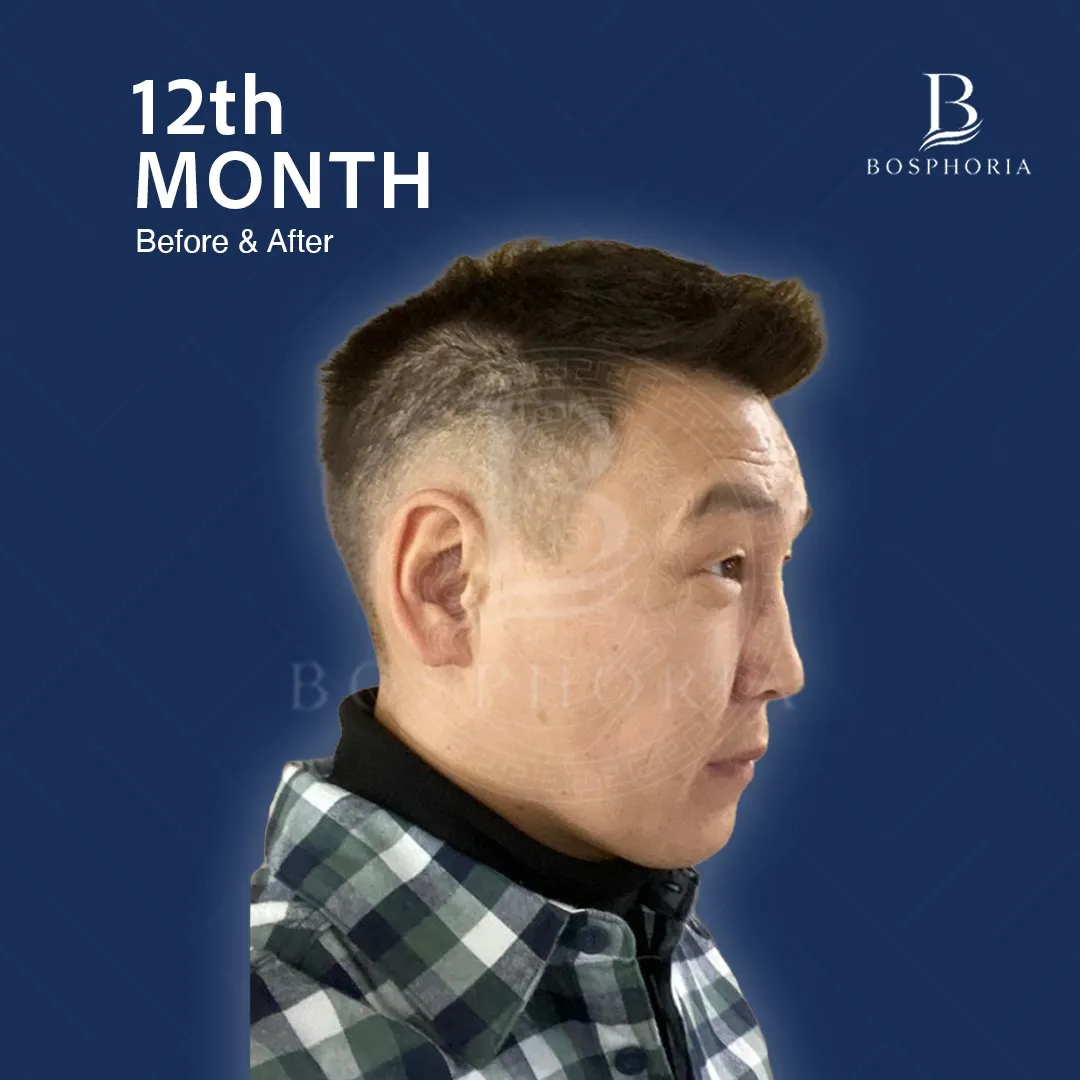
Hair transplant results after twelve months usually represent the mature outcome for most frontal and mid-scalp procedures. By one year, transplanted hairs have generally completed significant growth and thickening. The hairline should appear established and integrated with surrounding hair. Density can now be evaluated more accurately than during earlier stages. Hair texture and styling flexibility usually improve throughout the year.
Some patients may continue seeing smaller changes afterward. Crown hair transplant results can sometimes mature more slowly than frontal areas. Final success should not depend only on maximum density. Natural direction, balanced donor extraction, realistic coverage, and facial harmony also matter. Twelve-month photographs are commonly useful for evaluating the overall transformation.
Factors That Affect Hair Transplant Results
Hair transplant results depend on donor quality, surgical planning, graft survival, hair characteristics, aftercare, and future hair loss.
Several factors can influence both density and natural appearance:
- Donor density determines how many healthy grafts are safely available.
- Hair thickness and curl affect visual scalp coverage.
- Correct graft handling supports follicle survival.
- Hairline planning influences long-term natural appearance.
- Proper direction and angle improve realistic growth.
- Aftercare supports uncomplicated healing during recovery.
Patient expectations also matter when evaluating results. A limited donor area cannot always cover extensive baldness densely. Progressive hair loss may change appearance over time. Careful planning should therefore consider both current needs and possible future changes.
Frequently Asked Questions
The most common hair transplant questions concern permanence, natural appearance, density, recovery time, and how successful results are evaluated.
Are hair transplant results permanent?
Hair transplant results are generally long-lasting because transplanted follicles usually retain characteristics from the donor area.
When does a hair transplant look natural?
A hair transplant often begins looking natural after six months, while a more mature appearance usually develops around twelve months.
How much density can you get from a hair transplant?
Hair transplant density depends on donor supply, treatment area, hair characteristics, graft survival, and the number of safely available follicles.
How can you tell if a hair transplant is successful?
A successful hair transplant produces healthy growth, natural direction, appropriate density, a realistic hairline, and a well-preserved donor area.