What is Manual FUE Hair transplant?
The method in which hair follicles are extracted entirely by hand using special micro-instruments instead of a motor is called manual FUE hair transplant. Because the follicles are extracted more controllably and precisely in this technique, it is preferred especially for those who want to achieve natural results.
Manual methods aim to minimize the risk of damage to the hair follicles and, when performed by experienced professionals, yield highly successful results. They are advantageous in some cases because they provide a more suitable approach to the structure of the hair follicles.
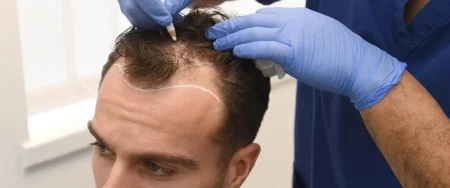
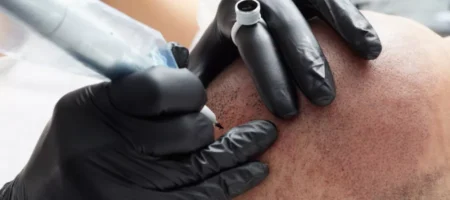
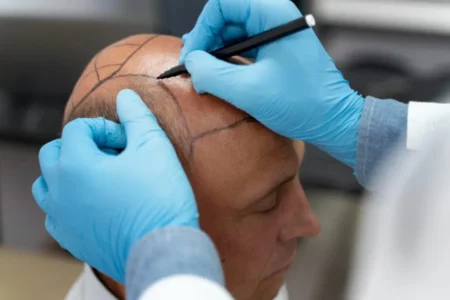
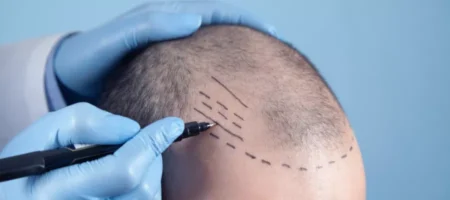
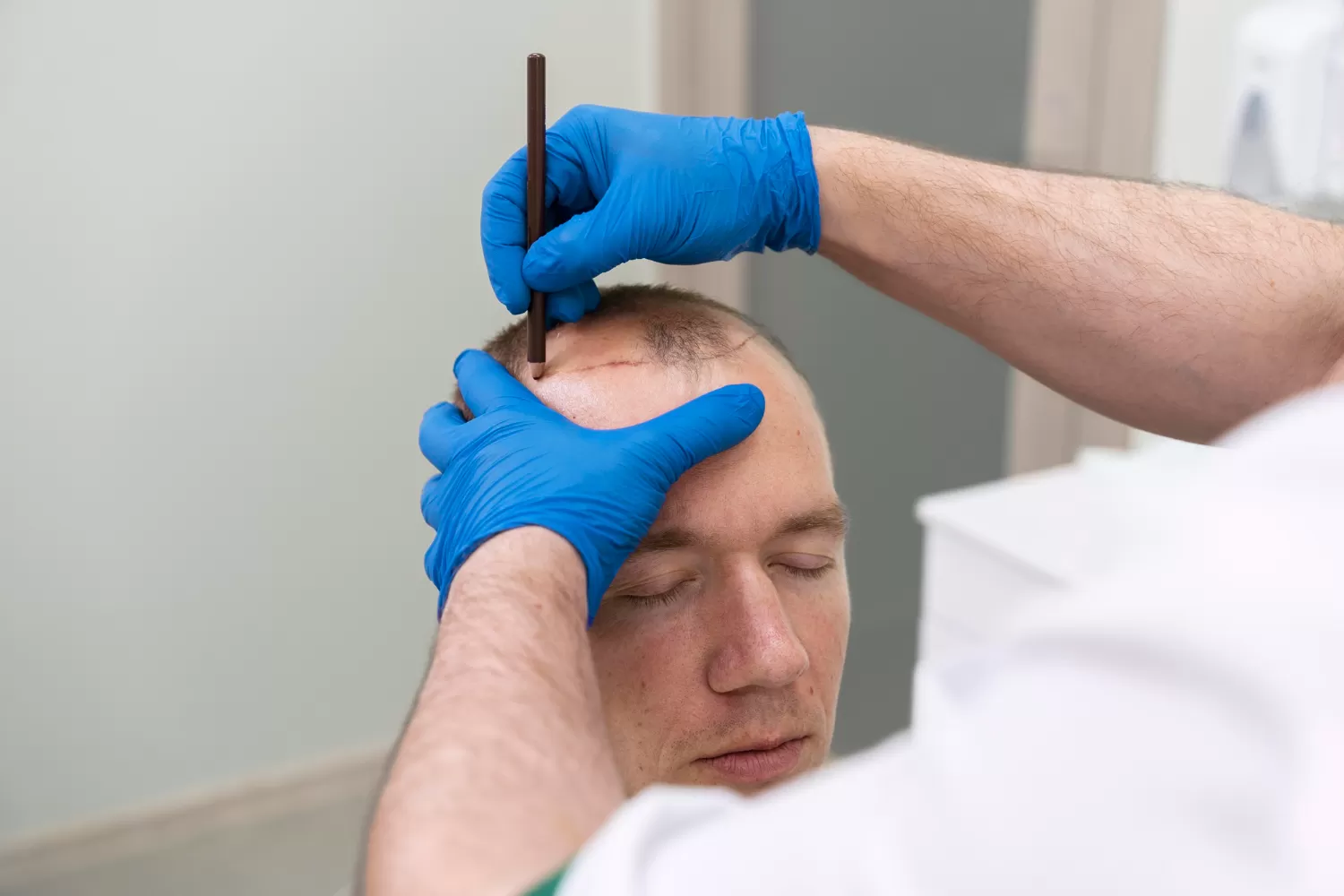
Detailed planning is done before the procedure, and the area to be transplanted is determined. During manual FUE hair transplant, hair follicles are extracted one by one from the donor area using special instruments called punches.
At this stage, manual dexterity is paramount. The harvested follicles are then placed in the recipient area in accordance with the natural direction of hair growth. The entire process is performed under local anesthesia, ensuring patient comfort.
Who Is Suitable for Manual FUE Hair Transplant?
Manual FUE hair transplant is a suitable option for individuals with sensitive hair follicles, fine hair, or those who desire a more controlled procedure. It is particularly preferred by individuals who want to achieve natural results in limited areas.
This method can also be advantageous in situations where the risk of root damage needs to be minimized. Suitability should be determined by expert assessment.
What Are the Advantages and Limitations of Manual FUE Hair Transplant?
The most important advantage of this method is that the roots can be extracted more precisely. With manual FUE hair transplant, the risk of root damage is reduced, and the likelihood of achieving a natural result is increased.
However, the procedure time may be longer compared to motorized techniques. Also, achieving a very high number of grafts in large areas can be more difficult. Therefore, it is sometimes preferred for limited areas.
What Are the Differences Between Manual and Motorized FUE?
The main difference between the two methods is the root extraction technique. In manual FUE hair transplant, roots are extracted entirely by hand, while in motorized FUE, micro-motor devices are used.
While manual methods offer greater control, motorized methods result in shorter processing times and the harvesting of more grafts. The choice of method should depend on the individual’s hair type, needs, and desired outcome.
With proper planning and expert execution, it is possible to achieve natural and lasting results with both methods.
How Long Does a Manual FUE Hair Transplant Take and How Many Grafts Can Be Transplanted?
The procedure time varies depending on the number of grafts to be transplanted and the scope of the application. Generally, manual FUE hair transplant takes between 4 and 8 hours to complete. For larger areas, this time may be slightly longer because the procedure is performed entirely by hand and with precision.
The number of grafts that can be transplanted in a single session ranges from approximately 1500 to 3000. This number is planned based on the donor area capacity and the individual’s hair structure.
What Should Be Considered Before Manual FUE Hair Transplant?
Certain preparations before the procedure increase the success rate. It is recommended to discontinue blood-thinning medications and limit alcohol and tobacco consumption.
It is also important that the scalp is clean and that the doctor’s instructions are followed. These preparations contribute to the healthier extraction of the hair follicles and a smoother transplant process.
What Is the Recovery Process Like After a Manual FUE Hair Transplant?
The healing process is usually rapid. Mild redness, crusting, and tenderness may occur in the first few days. This is normal and will pass quickly.
The scabs will fall off in approximately 7-10 days, and the transplanted area will largely heal. Protecting the area and following your doctor’s recommendations is crucial during this process.
When Do the Results of Manual FUE Hair Transplant Become Visible and Are They Permanent?
Shock hair loss may occur in the first few weeks after the procedure. This is temporary and considered normal. New hair will begin to grow in the area where manual FUE hair transplant was performed after 2-3 months.
Significant growth becomes noticeable from the 6th month onwards, and final results emerge within 10-12 months. The transplanted roots are permanent and remain active for many years.
Manual FUE Hair Transplant Turkey Prices 2026
Manual FUE Hair Transplant Turkey prices in 2026 range from €2,500 to €3,250 on average. Manual FUE hair transplant costs depend on graft numbers, surgeon experience, clinic standards, and individual treatment needs. This technique uses manual tools to extract hair follicles carefully from the donor area.
Many Turkish clinics include consultation, surgery, medication, transfers, and aftercare within their treatment packages. Istanbul remains a popular destination for Manual FUE procedures because of experienced specialists and competitive pricing. The final cost is usually confirmed after evaluating donor hair quality, hair loss level, and required graft numbers.
Frequently Asked Questions
Can manual FUE hair transplant be performed without shaving?
The procedure is usually performed with the donor area shaved to allow for easier access, but unshaven options are also possible in some cases. Manual FUE hair transplant can be performed with partial shaving, especially in limited areas and for individuals with high aesthetic concerns.
This method offers an advantage for people who don’t want to cut their hair completely. However, it may not be suitable for every patient, so a detailed assessment is necessary before the procedure.
Will there be scarring after manual FUE hair transplant?
With modern techniques, manual FUE hair transplant is not expected to leave noticeable scars. Because hair follicles are extracted individually at the micro level, the risk of visible scarring in the donor area is very low.
Mild redness and scaling may occur in the first few days. These symptoms usually resolve quickly. With proper care and a proper healing process, the skin will regain its natural appearance.
The following conditions may occur after manual FUE hair transplant:
- Mild redness
- Temporary crusting
- Micro-level root harvesting
- Low risk of noticeable scarring.
- Rapid recovery of the donor area.
- Preserving the natural appearance.
- Follow the maintenance instructions.
Will hair follicles taken from a donor area grow back?
Hair follicles completely removed from the donor area do not regrow from the same spot. However, since the grafts are collected in a balanced and homogeneous manner, this usually does not pose an aesthetic problem.
In manual FUE hair transplant, accurate planning of the donor area is of great importance. When hair follicles are harvested in a balanced manner, no noticeable thinning occurs from the outside, and the natural appearance of the donor area is preserved.
Factors that preserve the natural appearance of the donor area include:
- Homogeneous harvesting of grafts
- Balanced use of donor area
- Controlled removal of the roots.
- Avoiding excessive graft harvesting.
- Preventing significant thinning.
- Personalized planning
- The procedure should be performed by an experienced specialist.
Can beard follicles be used in manual FUE hair transplant?
In cases where donor areas are insufficient, beard hair follicles can be used as an alternative. Manual FUE hair transplant is a flexible method in this respect and allows for the evaluation of different donor areas.
Beard roots are generally thicker, so this style is preferred especially in the middle and back areas. With proper planning, it’s possible to achieve a natural and balanced look.
Procedures performed under expert supervision can achieve both aesthetic and lasting results.
Can a manual FUE hair transplant be performed a second time?
If sufficient density is not achieved after the first procedure, or if hair loss continues over time, a second procedure can be performed. Manual FUE hair transplant is a procedure that can be repeated as long as the donor area is suitable.
Before the second session, the condition of the donor area and the current hair density are evaluated in detail. With proper planning, it is possible to achieve a more balanced and natural look.
After a manual FUE procedure, will the existing hair that wasn’t transplanted continue to fall out?
Transplanted hair follicles are permanent, but existing hair may continue to fall out. This depends on genetic and hormonal factors.
Therefore, supportive treatments may be recommended after the procedure. While manual FUE hair transplant aims to grow new hair, additional care is crucial to protect existing hair.
Can hair transplanted with manual FUE be cut and dyed?
Hair that grows after transplant behaves completely like natural hair. Hair obtained with manual FUE hair transplant can be cut, styled, and dyed if desired as it grows.
It is recommended to avoid chemical treatments for the first few months to allow the roots to take root healthily. After that, you can return to your normal hair care routine.
Is it possible to create a natural hairline with manual FUE hair transplant?
One of the most important steps in achieving a natural look is hairline planning. During manual FUE hair transplant, the hairline is designed to suit the individual’s facial features and age.
The hairline is planned not as a straight line, but slightly irregular with natural transitions. The angle and direction of the root emergence are also carefully adjusted. Thanks to these details, an extremely natural and aesthetic appearance is achieved. With the right technique and expert application, the results are both permanent and natural.